Planning your first trip to India from the UK usually comes down to one question: when should you go? The answer depends on what kind of weather you can handle, how much you want to spend, and whether you are happy to travel during busy festival periods. If you are looking at flights to India, it helps to decide on the season first, because the best month for Delhi is not always the best month for Kerala or Goa.
India is not a year-round destination in the same way across the whole country. A January trip can feel cool and comfortable in Rajasthan, foggy in parts of North India, and warm in the south. In July, some areas are soaked by monsoon rain while others are still workable with the right plans. Before booking flights to India, it is worth matching your route to the season rather than choosing dates at random.
For most first-time travellers, the easiest months are usually between October and March. That is when much of the country is more comfortable for sightseeing, transport is generally easier, and the heat is less intense than in late spring. That said, these are also some of the busiest and most expensive months, especially around Christmas, New Year and school holiday periods.
India’s Main Travel Seasons at a Glance
India broadly has three main travel seasons: winter, summer and monsoon. These do not feel the same everywhere, but they are a useful way to plan.
Winter, roughly from October to March, is the most popular period for many first-time visitors. Temperatures are usually more manageable, especially for city sightseeing and longer journeys. This is the season many travellers choose for classic routes covering Delhi, Agra and Rajasthan, as well as beach breaks in Goa and backwater trips in Kerala.
Summer, usually from April to June, brings rising heat across much of the country. Some areas become tiring for sightseeing by midday, particularly inland cities and desert regions. This can be a cheaper time to travel, but you need to be realistic about the conditions.
Monsoon season usually runs from June to September in many parts of the country, though timing varies by region. Rain can bring lower prices and greener scenery, but it can also disrupt transport and limit beach time.
October to March: Best for Comfortable Travel
For many UK travellers, this is the best time to visit India overall. Days are generally more pleasant, especially in popular first-trip destinations.
North India is usually at its most comfortable from late October to March. Delhi, Agra and Jaipur are far easier to explore when daytime temperatures are mild rather than punishingly hot. December and January can be chilly in the mornings and evenings, and fog can sometimes affect trains and flights in the north, but this period is still a strong choice for sightseeing.
Rajasthan is particularly good from November to February. Cities such as Jaipur, Jodhpur and Udaipur are much easier to enjoy in cooler weather. By contrast, visiting in May or June can be draining because of the heat.
South India also works well through much of this period, though it stays warmer than the north. Kerala is usually pleasant from around December to February, especially for backwaters, coastal stays and touring. Goa is popular from November to February, when beach weather is at its best and humidity is more manageable.
This is also peak pricing season in many places. Flights and hotels often cost more from late November onwards, with especially high prices around Christmas, New Year and sometimes February half term. Goa can become notably more expensive in December, and well-located hotels in Rajasthan and Kerala often fill up earlier during the winter season.
April to June: Hottest Months, but Often Better Value
This period can still work, but it suits travellers who are prepared for heat and plan carefully.
North India becomes hot from April and can be extremely uncomfortable by May and June. Delhi and Agra are often tough at this time, especially if you are walking around forts, tombs and markets in the middle of the day. Rajasthan is even more challenging, with very high temperatures that can make long sightseeing days hard work.
South India is also warm, though coastal areas can feel different from inland cities. Kerala and Goa can be humid before the monsoon arrives, and afternoons may feel sticky and tiring. Even so, this period can bring better hotel deals in some destinations, especially where demand dips before the rains.
If budget matters more than perfect weather, late April or early June can sometimes offer savings. The trade-off is comfort. You need early starts, slower days and a willingness to retreat indoors when the temperature peaks.
Hill stations and mountain areas can be more appealing in these months, but first-time travellers following a classic India route usually find the heat a real factor.
June to September: Monsoon Season and Lower Prices
Monsoon changes the mood of a trip. Some travellers enjoy it, but it is not always the simplest option for a first visit.
Kerala is one of the places most strongly shaped by monsoon weather. Rain can be heavy, sudden and frequent, especially in July and August. Landscapes look lush, and some travellers like the quieter atmosphere, but this is not the best period for straightforward touring.
Goa also sees heavy rain during monsoon. Beaches are less about swimming and sunbathing and more about dramatic skies and quieter stays. Some beach shacks and seasonal businesses reduce operations or close.
North India can also receive heavy rain, though the impact varies. Cities remain open, but travel can become slower and less predictable. Rajasthan usually gets less rain than Kerala or Goa, but it can still be humid and unsettled compared with the winter season.
One advantage of monsoon is value. Outside major domestic holiday periods, hotel prices can soften and some routes become more affordable. If you do not mind the weather and your plans are flexible, this can be one of the cheaper times to visit.
Festivals Worth Considering When Choosing Dates
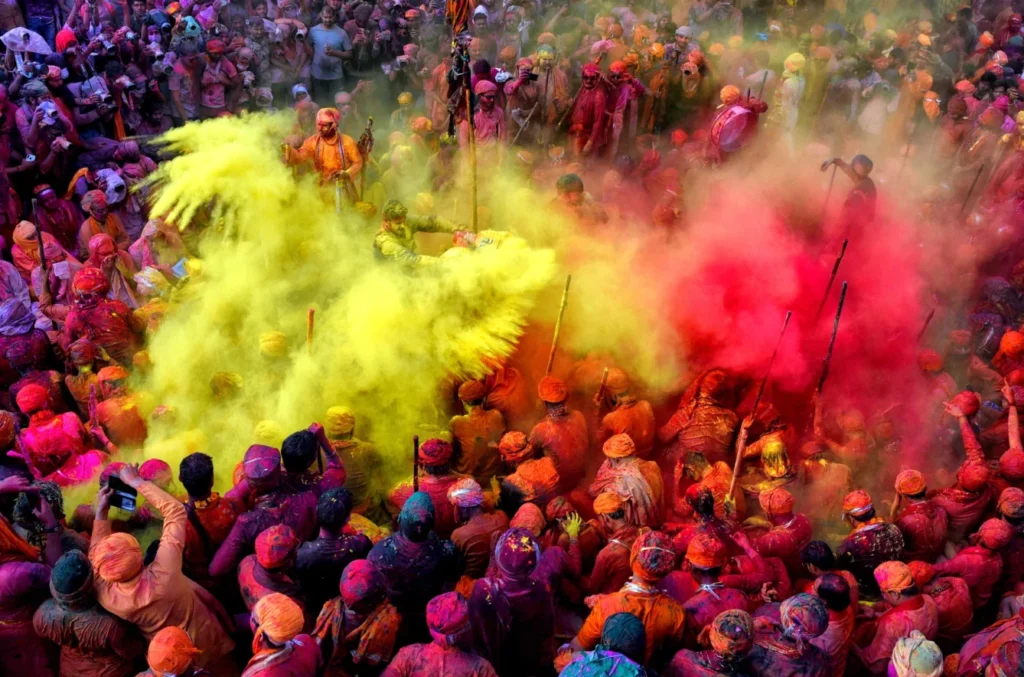
Festivals can make a trip more memorable, but they can also affect prices, crowds and transport.
Diwali, usually in October or November, is one of the biggest festivals to be aware of. It can be a brilliant time to experience India, with lights and celebrations across many cities, but accommodation and transport in busy destinations may be in higher demand.
Holi, usually in March, is another major event that can shape travel plans, especially in North India. It can be great fun, but it also changes the rhythm of cities for a day or two, with closures, crowds and a less predictable sightseeing routine.
Christmas and New Year are not Indian festivals in the same sense, but they matter for pricing, especially in Goa and Kerala where domestic and international demand rises sharply.
The key point is not to avoid festivals entirely. It is to decide whether you want your trip to include them and then book early if you do.
How the Regions Compare?
For a first trip, these are the broad patterns worth remembering:
North India is usually best from October to March, though December and January can bring fog and cold mornings.
South India is warm for much of the year, but the most comfortable stretch is often from November to February.
Goa is best for classic beach weather from November to February, with December often the priciest period.
Kerala is strongest from around December to March for easy touring, while monsoon appeals more to repeat visitors than first-timers.
Rajasthan is best from November to February, when the weather is far more manageable for forts, palaces and city walks.
How to Choose the Right Month?
If you want the easiest first trip, go between November and February and accept that prices may be higher.
If you want lower costs and can handle heat, look at April or early June, but keep your itinerary lighter.
If you want greener scenery and cheaper stays, monsoon can work in some places, but it is less straightforward for a first visit.
A simple way to choose is this: pick winter for comfort, shoulder months for balance, and monsoon only if you are happy to trade convenience for value. The right month depends less on India as a whole and more on the parts of India you actually plan to see.

Karen Altizer is a seasoned professional with a wealth of experience, skilled at crafting compelling narratives and strategic messages for diverse audiences.
This is exactly what I needed today. Clear, practical, and straight to the point. I’ll definitely come back to this page for reference.
https://t.me/Boda8_Official