
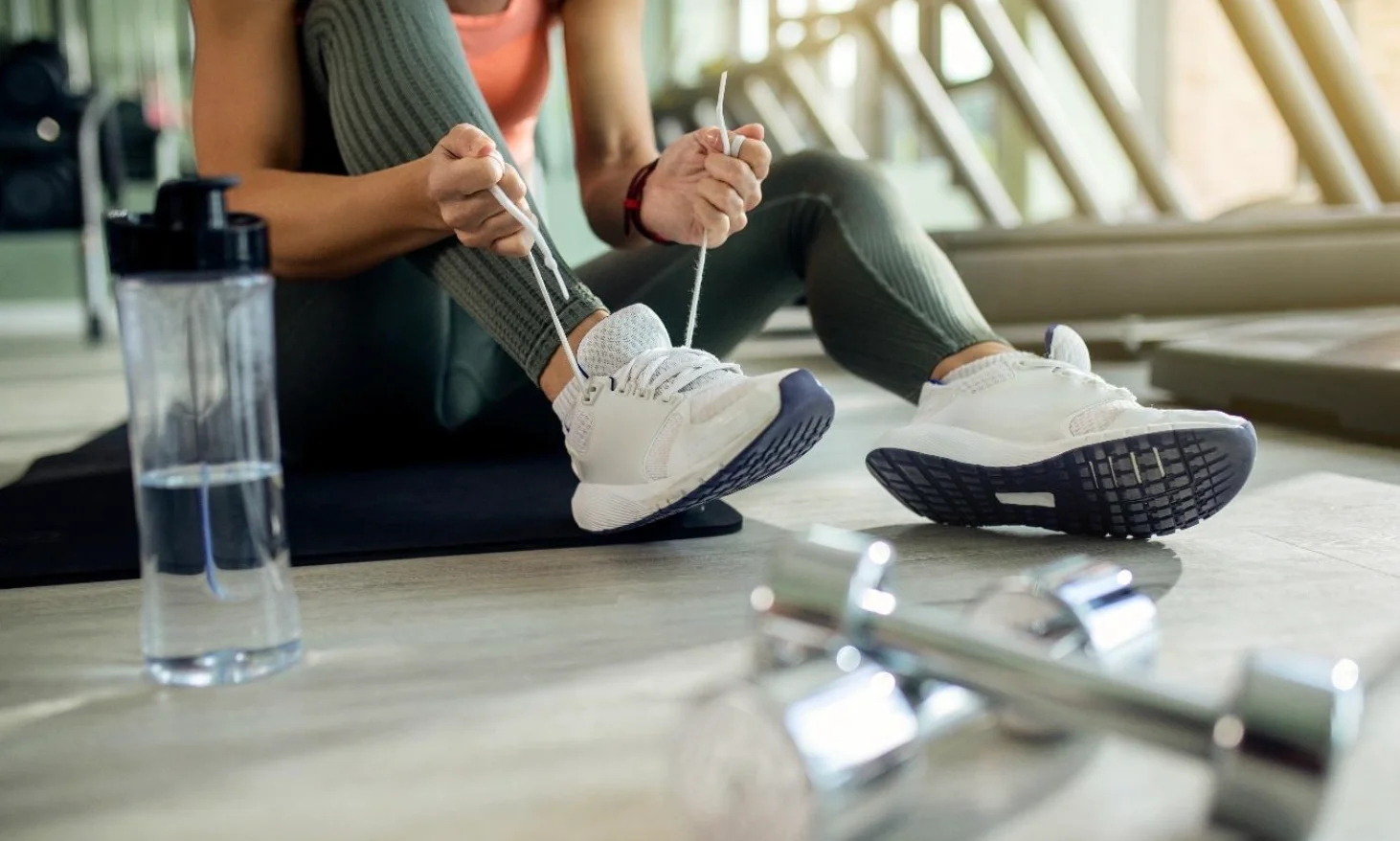
We tend to think of exercise as something that happens in a gym, in a class, or during a dedicated slot carved out of a busy day. But what if the most powerful thing you could do for your health had nothing to do with any of that? What if the small, ordinary moments of movement woven through your everyday life were quietly doing more for you than you realised?
The Myth of the “All or Nothing” Approach
There is a widely held belief that movement only counts if it is structured, sustained, and sweaty. Run five kilometres or it does not matter. Do the full forty-five-minute session or why bother? This thinking, while understandable, can actually work against us.
Research into everyday physical activity consistently shows that accumulating movement throughout the day in short, informal bursts delivers real, measurable benefits for cardiovascular health, mental wellbeing, energy levels, and longevity. You do not need to carve out an hour at the gym to make a meaningful difference to how your body and mind feel.
The ten-minute walk to the post office counts. Pottering about the garden counts. Choosing the stairs counts. These things add up in ways that genuinely matter.
What Happens When We Sit Still for Too Long
Modern life has made stillness the default. We sit at desks, sit in cars, sit on sofas. And while rest is important and valuable, prolonged unbroken sitting has been linked to a whole range of health concerns, from poor circulation and back pain to low mood and disrupted sleep.
The good news is that the antidote does not need to be dramatic. Studies suggest that breaking up long periods of sitting with just a few minutes of gentle movement every hour can significantly offset some of the effects of a sedentary lifestyle. You do not need to overhaul your day. You just need to introduce more small moments of moving.
The Mental Health Connection
Everyday movement is one of the clearest examples of the relationship between physical habits and mental wellbeing.
Even a short walk can shift your mood, lower cortisol levels, and give your brain a chance to reset. There is something about the rhythm of movement, particularly outdoors, that helps to untangle anxious thoughts and restore a sense of calm. It is not magic. It is biology. And it is available to all of us, every single day.
If you have ever returned from a brisk walk feeling noticeably clearer headed than when you left, you already know this to be true.
Making Everyday Movement Easier
One of the biggest barriers to moving more throughout the day is discomfort. If your shoes are pinching, your feet are aching, or you feel self-conscious and out of place, you are far less likely to step outside or take the longer route.
This is where what you wear genuinely matters. Comfort is not a luxury. It is a practical tool for building sustainable habits. Many women find that having a pair of genuinely supportive, lightweight shoes makes a real difference to how much they naturally move throughout the day. A browse through the range of women’s Skechers reveals just how much thought goes into footwear designed for all-day comfort, from cushioned soles to flexible construction that adapts to the shape of your foot. When moving feels easy, you do it more. Simple as that.
Practical Ways to Build More Movement Into Your Day
The goal is not to add pressure or turn everyday life into a fitness regime. It is simply to become a little more aware of the opportunities that already exist around you.
Here are a few gentle ideas worth considering.
Walk whenever you can. Even five or ten minutes here and there adds up over the course of a day. Walk to the shops instead of driving. Step outside after lunch. Take a call on the move rather than at your desk.
Make household tasks count. Cleaning, gardening, cooking, carrying shopping. These are all forms of movement, and they are already part of your life. Doing them with a little more energy and intention shifts them into something genuinely useful for your body.
Set a movement prompt. If you tend to sit for long stretches at a time, a gentle hourly reminder to stand up and move around can make a surprising difference over the course of a week.
Choose the longer route. Park a little further away. Take the stairs. Walk to a colleague’s desk rather than sending a message. None of these things take much time, but collectively they reshape your day.
Find movement you actually enjoy. This matters more than almost anything else. If you dread it, you will not do it. If it feels good, you will find yourself coming back to it without thinking. Dancing in the kitchen, a slow stroll through the park, a gentle stretch before bed. Enjoyment is the best habit-forming tool there is.
It Is Not About Being Athletic
Perhaps the most important thing to say is this: everyday movement is not about fitness in the traditional sense. It is not about performance, speed, or appearance. It is about keeping your body in the flow of life, supporting your joints, lifting your mood, and giving yourself small, consistent doses of something that is genuinely good for you.
You do not need to be an athlete. You do not need to love exercise. You just need to walk a little more than you did yesterday, take the stairs when you can, and remember that every step counts in ways that add up quietly and powerfully over time.

Karen Altizer is a seasoned professional with a wealth of experience, skilled at crafting compelling narratives and strategic messages for diverse audiences.
Useful and easy to follow. I appreciate that you kept it focused instead of padding it out; the key points came across clearly.
https://t.me/Boda8_my
An intriguing discussion iss worth comment. I hink hat youu oubht to wrte more ahout
thyis topic, itt mmay nott bbe a taqboo subjec buut usuallly pdople
don’t diacuss these subjects. To thhe next! Manny thanks!!
xnxx
Thanks for this – genuinely useful breakdown. I keep a short reference list on this topic and this one has been handy: https://sites.google.com/view/panduanonline29