
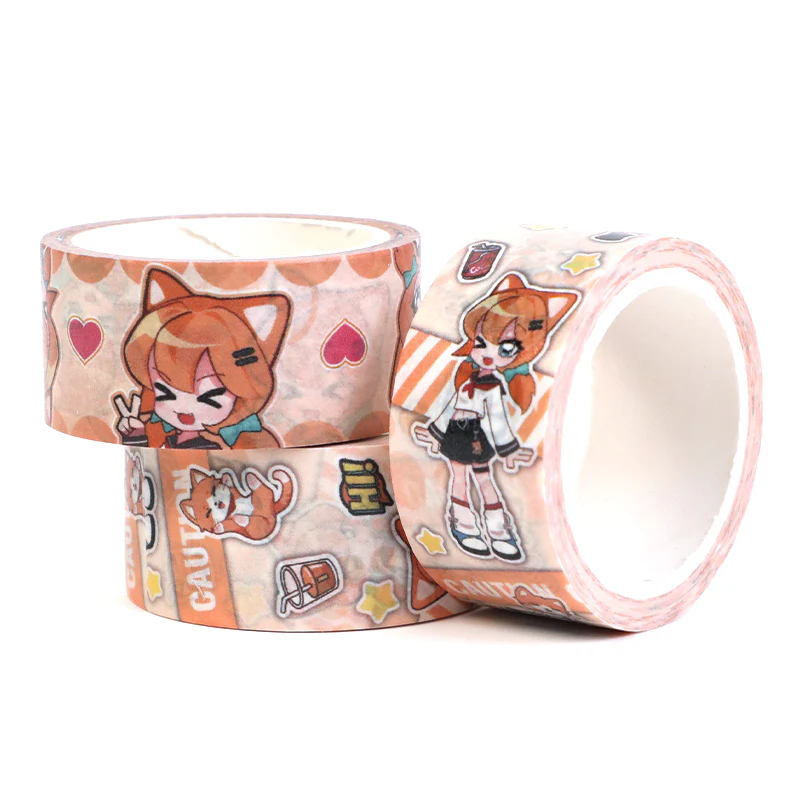
In today’s creative and branding-focused world, washi tape is no longer just a simple craft supply. It has become a powerful tool for artists, small business owners, and designers who want to add personality and professionalism to their work. Whether used for packaging, journaling, or product branding, custom washi tape offers endless possibilities for creativity and visual identity.
But creating washi tape that looks truly professional requires more than just a nice design. It involves understanding materials, design principles, printing techniques, and branding consistency. In this guide, we will explore how to create professional-looking custom washi tape from concept to final product, along with expert tips to ensure high-quality results.
What Is Custom Washi Tape?
Custom washi tape is a decorative adhesive tape made from traditional Japanese rice paper that can be printed with personalized designs such as logos, patterns, illustrations, or branding elements. Unlike regular tape, it is lightweight, semi-transparent, easy to tear, and repositionable.
Businesses and creators use custom washi tape for:
- Packaging and branding
- Product decoration
- Journaling and stationery design
- Creative DIY projects
- Marketing and customer experience
Its versatility makes it a favorite among both professionals and hobbyists.
Why Professional-Looking Washi Tape Matters
If you are using washi tape for branding or selling it as a product, appearance matters significantly. Poor design or low-quality printing can make even the best ideas look unprofessional.
Professional-looking washi tape helps you:
- Build strong brand identity
- Increase product value perception
- Attract customers and collectors
- Improve packaging aesthetics
- Stand out in a competitive market
High-quality custom washi tape can elevate your entire brand image.
Step 1: Define Your Purpose and Audience
Before designing anything, you need to clearly define why you are creating washi tape and who it is for.
Ask yourself:
- Is this for personal use or business branding?
- What style best represents my brand?
- Who is my target audience?
- What emotions should the design communicate?
For example:
- A stationery brand may prefer soft pastel aesthetics
- A modern business may choose minimalistic designs
- An art-focused brand may use bold illustrations
Understanding your purpose ensures your custom washi tape design stays focused and effective.
Step 2: Create a Strong Design Concept
A professional design always starts with a strong concept. Instead of randomly creating patterns, think about storytelling and visual identity.
Good design concepts may include:
- Repeating logo patterns
- Thematic illustrations
- Abstract geometric shapes
- Seasonal designs
- Minimalist branding elements
Keep your concept consistent so your washi tape feels cohesive and intentional.
Step 3: Focus on Seamless Pattern Design
One of the most important aspects of washi tape design is repetition. Since the tape rolls continuously, your design must loop seamlessly.
To achieve this:
- Ensure edges connect smoothly
- Avoid visible breaks in patterns
- Maintain consistent spacing
- Balance visual elements evenly
A well-designed pattern is what separates amateur designs from professional custom washi tape.
Step 4: Choose the Right Color Palette
Color plays a major role in how your washi tape is perceived. Professional designs use carefully selected color palettes that reflect mood, branding, and style.
Here are some popular approaches:
- Minimalist: black, white, grey tones
- Aesthetic: pastel pinks, blues, and purples
- Nature-inspired: greens, browns, earthy tones
- Bold branding: high contrast colors with strong visuals
Always ensure your colors align with your brand identity.
Step 5: Use High-Quality Artwork
The quality of your artwork directly impacts the final product. Low-resolution designs will result in blurry or unprofessional prints.
To ensure quality:
- Use vector graphics or high-resolution files
- Avoid pixelated images
- Keep lines clean and sharp
- Maintain consistency in illustration style
Professional custom washi tape always starts with professional artwork.
Step 6: Choose the Right Material
Washi tape is typically made from natural fibers, but not all materials are the same. The quality of the paper affects durability, texture, and print clarity.
Look for:
- Smooth surface for printing
- Proper adhesive strength
- Tearable but durable texture
- Slight transparency for aesthetic layering
Material selection plays a big role in how premium your final product looks.
Step 7: Work with a Reliable Printing Service
Even the best design can fail if printing quality is poor. Choosing the right manufacturer is essential for professional results.
When selecting a printing provider, consider:
- Print resolution quality
- Color accuracy
- Material options
- Sample availability
- Production consistency
Always request samples before final production to ensure your custom washi tape meets expectations.
Step 8: Maintain Brand Consistency
If you are creating washi tape for branding, consistency is key. Your design should align with your overall brand identity.
Make sure to match:
- Logo style
- Brand colors
- Typography
- Packaging design
- Website and social media aesthetics
Consistency builds recognition and trust among customers.
Step 9: Test Your Design Before Mass Production
Before producing large quantities, always test your design in real-world use.
You can:
- Print small samples
- Use mockups for packaging
- Test application on different surfaces
- Check visual appeal under different lighting
Testing helps you identify issues early and refine your custom washi tape design.
Step 10: Optimize for Multiple Uses
Professional washi tape should not be limited to one purpose. Think about how it will be used in different scenarios:
- Packaging boxes
- Journals and planners
- Gift wrapping
- Product labeling
- Promotional materials
A versatile design increases usability and market appeal.
Creative Tips for Professional Washi Tape Design
Here are some extra tips to elevate your design quality:
1. Keep It Simple
Overly complex designs can look cluttered. Simplicity often feels more premium.
2. Use Repetition Smartly
Repeating elements should feel natural, not overwhelming.
3. Balance Negative Space
Empty space helps designs breathe and look clean.
4. Add Subtle Branding
Avoid overly large logos; subtle branding feels more elegant.
5. Think About Roll Viewing
Design should look good both close-up and from a distance on the roll.
Common Mistakes to Avoid
When creating custom washi tape, avoid these common mistakes:
- Using low-resolution images
- Overcrowded patterns
- Poor color contrast
- Ignoring repeat alignment
- Choosing unsuitable materials
- Skipping test samples
Avoiding these issues ensures a professional final product.
How Custom Washi Tape Enhances Branding
For businesses, washi tape is more than decoration—it is a branding tool.
It helps:
- Strengthen visual identity
- Improve packaging aesthetics
- Increase customer satisfaction
- Encourage social media sharing
- Build emotional connection with customers
A well-designed tape can turn simple packaging into a memorable experience.
The Role of Custom Washi Tape in Modern Design Trends
The popularity of custom washi tape continues to grow as design trends shift toward personalization and minimalism. Customers now value thoughtful details and aesthetic presentation more than ever.
Current trends include:
- Minimalist branding designs
- Soft pastel aesthetics
- Hand-drawn illustrations
- Eco-friendly packaging styles
- Seasonal limited editions
These trends show that washi tape is becoming a long-term design element, not just a craft accessory.
Final Thoughts
Creating professional-looking washi tape requires a combination of creativity, technical skill, and attention to detail. From concept development to material selection and printing, every step plays a role in the final result.
Custom washi tape is a powerful tool for artists, designers, and businesses who want to elevate their visual identity and create memorable experiences. When designed properly, it transforms simple packaging or stationery into something meaningful, aesthetic, and highly professional.
Whether you are building a brand or exploring creative expression, investing time in high-quality washi tape design can significantly enhance your work. In a world where visual impact matters more than ever, even small details like washi tape can make a lasting impression.

Buy egg vibrator cupidbaba for a discreet and elegant personal wellness accessory. Featuring a smooth surface, compact size, and travel-friendly design, it offers everyday convenience and dependable quality. An excellent choice for anyone seeking comfort, portability, and modern craftsmanship.
Explore premium ball gags at MyDarkShop crafted with durable materials, adjustable straps, and comfortable design. Featuring secure fitting, sleek detailing, and dependable construction, these accessories offer lasting quality and modern style, making them a valuable addition to any personal accessory collection.
Premium Pinball,
Arcade & Foosball Machines Canada🚚
Tiny PomChi Puppies Ready for Loving Homes
╬ Home-Raised Parrots. Lifelong Companions🪶 ╬
Thanks for this, really clear and helpful. I’ve been looking for a solid write-up like this for a while, and the way you explained it makes it easy to follow. Bookmarked for later.
This is exactly what I needed today. Clear, practical, and straight to the point. I’ll definitely come back to this page for reference.