
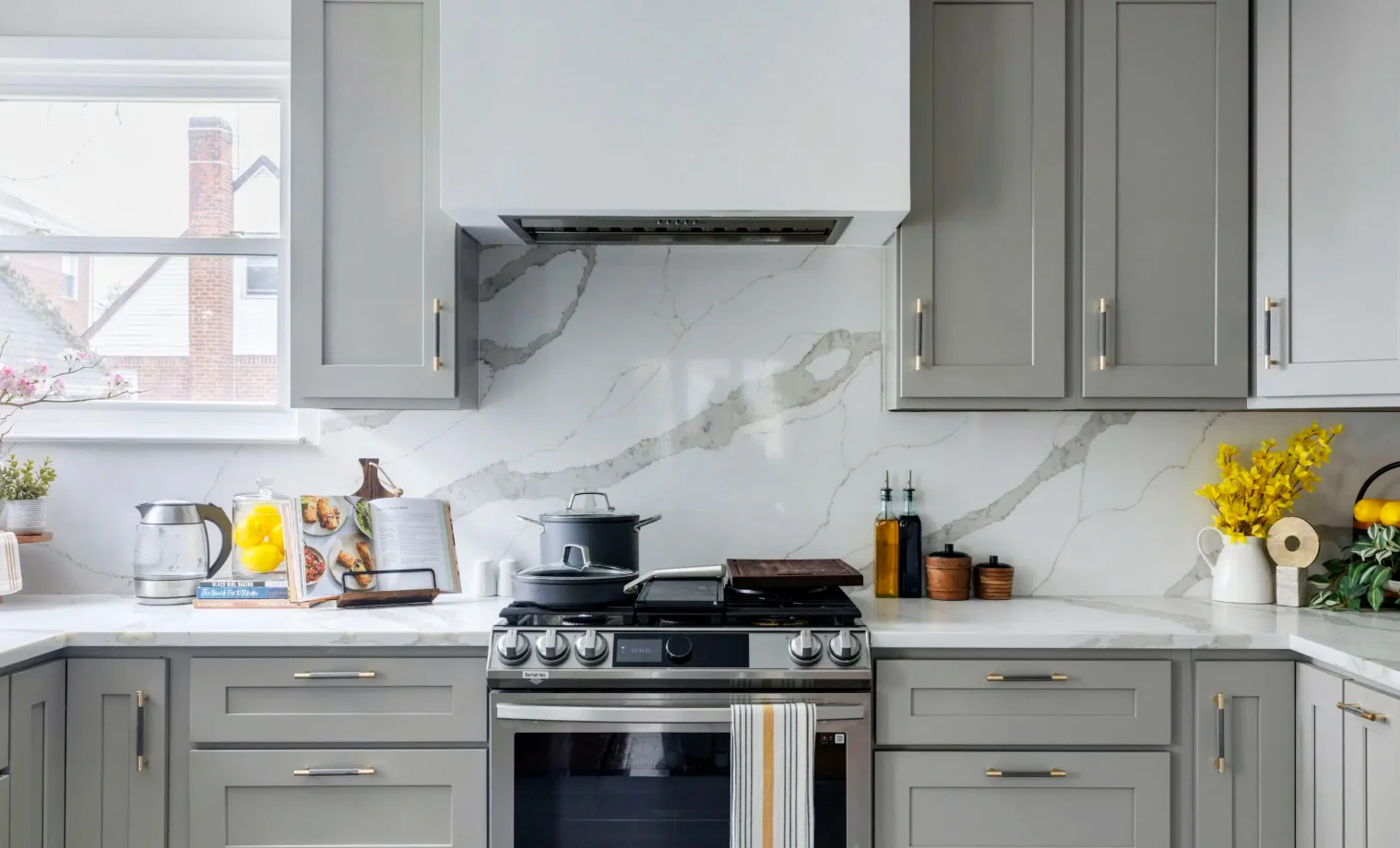
A kitchen renovation is often judged by the big-ticket features: cabinetry, benchtops, flooring, appliances and layout. Yet one of the most visually powerful elements is often far smaller in scale. The kitchen splashback sits directly in the line of sight, frames the cooking zone, connects the upper and lower cabinetry, and can completely shift the mood of the room.
That’s why homeowners looking through popular kitchen splashback ideas are often surprised by how much influence this single surface can have. A splashback is not just a practical barrier against steam, oil and food splatter. It is a design feature that can make a kitchen feel warmer, brighter, more refined, more dramatic or more cohesive.
In many renovations, the splashback becomes the detail that makes the entire kitchen feel finished.
It Creates a Strong Visual Focal Point
Every kitchen needs a visual anchor. Without one, even a well-planned renovation can feel flat or unfinished. A splashback naturally draws attention because it sits between the benchtop and overhead cabinetry, usually around the cooktop or sink, two of the busiest areas in the room.
A bold tile, textured surface, stone slab or patterned finish can create a focal point without requiring the whole kitchen to be loud. This is especially useful in neutral kitchens, where cabinetry and benchtops may be kept understated for longevity. A splashback allows personality to enter the space in a controlled, considered way.
For example, a white kitchen with a handmade-look tile can feel relaxed and coastal. The same kitchen with a dark stone splashback may feel more luxurious and architectural. Nothing about the layout has changed, yet the entire atmosphere feels different.
It Helps Define the Renovation Style
A splashback can clarify the design direction of a kitchen. In some renovations, homeowners know they want a “modern” or “timeless” kitchen, but the final look can feel too generic without the right material choices. The splashback helps sharpen that identity.
Subway tiles can lean classic, industrial or contemporary depending on their colour, grout and layout. Large-format porcelain panels can create a sleek, seamless look. Zellige-style tiles add texture and variation. Natural stone introduces depth and movement. Glass can feel clean and minimal, while pressed metal may suit heritage or farmhouse-inspired homes.
This makes the splashback a useful bridge between function and character. It can echo the home’s architecture, complement the cabinetry, or introduce a subtle contrast that gives the renovation more depth.
It Changes How Light Moves Through the Kitchen
Light has a major impact on how a kitchen feels, and the splashback plays a bigger role in this than many people realise. Glossy, mirrored or light-coloured surfaces can bounce natural and artificial light around the room, making a small or narrow kitchen feel more open.
Matte, textured or darker splashbacks absorb more light, which can create a moodier and more intimate effect. This may work beautifully in larger kitchens, open-plan homes, or spaces where the goal is a more sophisticated finish.
The orientation of the kitchen also matters. A darker splashback in a kitchen with limited natural light may make the space feel enclosed, while a pale gloss tile or reflective surface can help lift it. In a bright kitchen, deeper colours or textured finishes can add balance and prevent the room from feeling stark.
It Connects the Benchtop and Cabinetry
A successful kitchen renovation depends on cohesion. The splashback is one of the key elements that ties the benchtop, cabinetry, flooring and hardware together.
A splashback can match the benchtop for a seamless, high-end effect, particularly when using stone or stone-look porcelain. It can also contrast with the benchtop to create separation and visual interest. For instance, timber-look cabinetry, a white benchtop and a soft sage splashback can create a natural, calming palette. Black cabinetry, brass hardware and a marble-look splashback can feel bold and polished.
The trick is to avoid choosing the splashback in isolation. It should be considered alongside the full palette, including tapware, handles, wall colour and flooring. When these details work together, the kitchen feels intentional rather than pieced together.
It Can Make a Budget Renovation Feel More Premium
Not every renovation involves custom cabinetry or expensive appliances. A well-chosen splashback can elevate a modest kitchen and make it feel more considered.
Because the splashback covers a relatively contained area, homeowners can sometimes afford to use a more distinctive material than they would across a larger surface. A beautiful feature tile, stone-look panel or textured finish can create a premium impression without overwhelming the budget.
This is where careful selection matters. A simple kitchen can be transformed with a splashback that adds texture, colour or pattern in the right proportion. Even standard cabinetry can feel more refined when paired with a splashback that brings contrast and detail.
Practicality Still Matters
While appearance is important, the splashback must still perform well. Kitchens are working spaces, so the material needs to suit the household’s cooking habits and maintenance expectations.
Tiles are popular because they are durable, versatile and available in countless styles, though grout lines require cleaning. Glass is easy to wipe down and can make a kitchen feel streamlined. Stone and stone-look surfaces can look luxurious, but they need to be selected with care to ensure they suit heat, moisture and cleaning requirements. Large-format panels reduce grout lines and can create a cleaner look.
The best splashback is one that suits both the style of the renovation and the way the kitchen is used every day. A highly textured tile may look beautiful, but it might not be ideal behind a busy cooktop unless maintenance has been considered.
Small Surface, Big Impact
A kitchen splashback may not take up the most space, but it has an outsized influence on the final result. It affects colour, texture, light, mood and perceived quality. It can soften a modern kitchen, sharpen a traditional one, or bring personality into an otherwise simple renovation.
When chosen thoughtfully, the splashback does more than protect the wall. It becomes the element that connects the whole design, giving the kitchen a clear sense of style and completion. In many renovations, it is the detail that turns a functional upgrade into a space that genuinely feels new.

Karen Altizer is a seasoned professional with a wealth of experience, skilled at crafting compelling narratives and strategic messages for diverse audiences.