
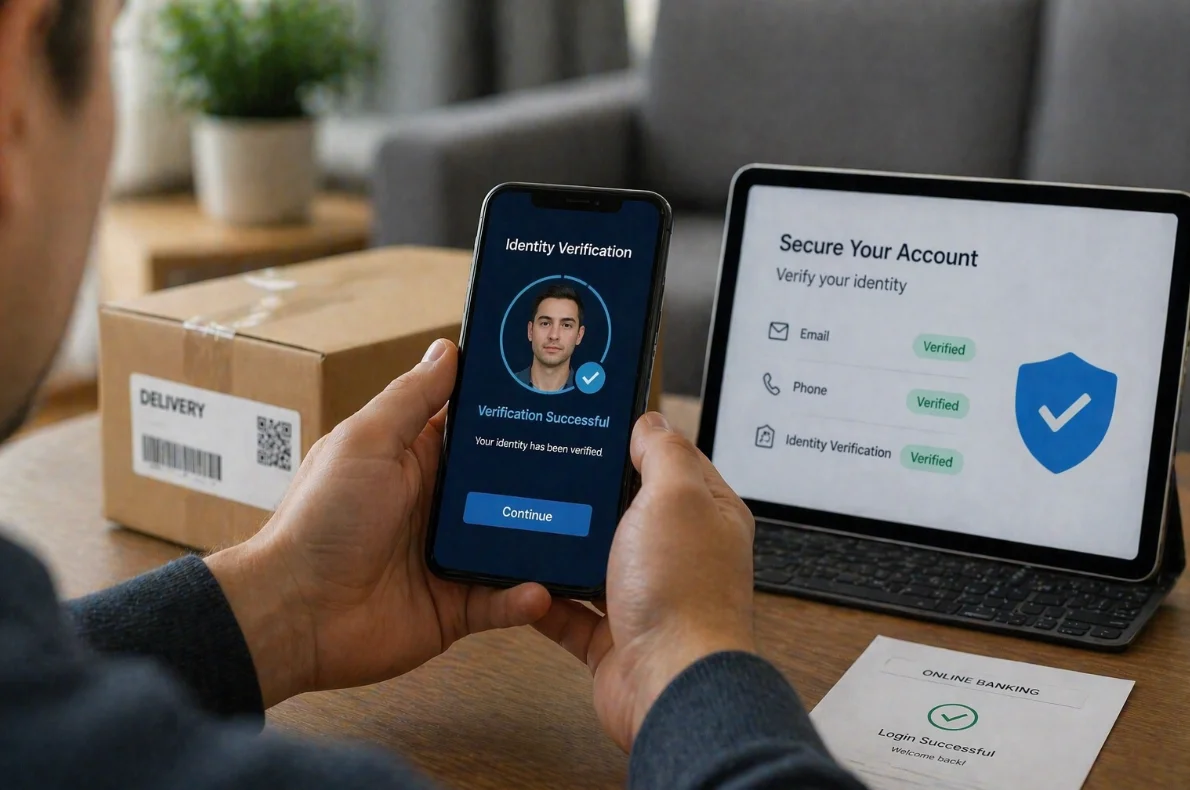
In recent years, the way we interact with services whether booking a stay, accessing financial platforms, or engaging with online communities, has changed significantly. Much of what was once handled in person now happens remotely, often within seconds. While this shift has brought remarkable convenience, it has also introduced a quiet but important question: how can we be sure people are who they claim to be?
This is where identity verification solution have become increasingly relevant. No longer confined to banks or government institutions, it now plays a subtle yet essential role across a wide range of industries. For audiences who value reliability, thoughtful service, and secure experiences, understanding identity verification is key to appreciating how modern systems maintain integrity without compromising convenience.
Understanding Identity Verification in a Modern Context
At its core, identity verification is the process of confirming an individual’s identity using a combination of documents, data, and technology. What has changed is not the purpose, but the method.
In the past, verification relied on physical presence and paper documentation. Today, an identity verification service can perform the same checks digitally, often within seconds. These services are powered by advanced technologies that allow businesses to verify users remotely while maintaining a high level of accuracy.
Rather than being an intrusive step, modern verification is designed to feel natural within the user journey, supporting trust without disrupting the overall experience.
Why Identity Verification Has Become Essential
A Response to Changing Behaviours
As more services move online, the opportunities for misuse have also grown. From impersonation to the use of a fake ID, the risks are no longer limited to isolated incidents. They are part of a broader shift that requires more reliable systems.
An effective identity verification solution helps address these challenges by introducing structured checks that confirm authenticity at key moments. This is particularly important in environments where trust between individuals or platforms must be established quickly.
Supporting Safer Interactions
For many businesses, especially those offering services that rely on trust and reputation, identity verification adds a layer of reassurance. It ensures that users are genuine, helping to create safer and more dependable interactions.
This is not about restricting access, but about ensuring that access is appropriate and secure. A well-designed identity verification tool can achieve this balance with minimal friction.
How Identity Verification Works
Modern identity verification relies on a combination of technologies working together to confirm authenticity.
Document Verification
Users are typically asked to provide a form of official identification. Identity verification software analyzes the document, checking for signs of tampering, inconsistencies, or irregular formatting.
Biometric Matching
To confirm that the document belongs to the person presenting it, biometric checks are used. A live image or short video is compared with the photograph on the document, ensuring a match.
Data Cross-Checking
Information provided by the user is validated against reliable sources. This step strengthens confidence in the accuracy of the identity being presented.
Ongoing Monitoring
Increasingly, verification is not limited to a single moment. Systems now monitor activity over time, identifying unusual behaviour that may indicate risk.
The Role of Identity Verification Across Industries
Hospitality and Guest Experience
In environments where safety and comfort are central, identity verification can enhance both. By ensuring that guests are verified, businesses can maintain a secure setting while preserving a welcoming and relaxed atmosphere.
Financial Services
Financial institutions have long relied on identity verification to prevent fraud and ensure compliance. Today, digital platforms use identity verification services to deliver the same level of security without requiring physical interaction.
Online Platforms and Communities
Digital platforms depend on trust between users. Verification processes help ensure that participants are genuine, reducing the likelihood of misuse and improving overall confidence.
Healthcare and Sensitive Services
Where personal information is involved, verifying identity is essential. It ensures that access is granted appropriately and that privacy is maintained at all times.
Regulatory Influence and the Role of Oversight
The growing importance of identity verification is closely linked to regulatory expectations. Authorities such as the Financial Conduct Authority have introduced frameworks that require businesses to verify user identities as part of broader compliance measures.
These regulations are designed to combat financial crime, improve transparency, and protect consumers. They also encourage businesses to adopt more structured and reliable verification processes.
Compliance is not simply about meeting legal requirements. It reflects a commitment to responsible operations and helps build confidence among users. By implementing effective identity verification solutions, organizations can align with these expectations while strengthening their overall systems.
Technology Behind Modern Identity Verification
Artificial Intelligence
AI plays a central role in modern verification systems. It allows identity verification software to analyze large volumes of data quickly, identifying patterns and detecting anomalies that may indicate fraud.
Optical Character Recognition
OCR technology enables systems to extract information from documents automatically. This reduces manual input, speeds up the process, and improves accuracy.
Biometric Authentication
Facial recognition and liveness detection ensure that the person being verified is physically present and matches the provided identification. These methods add a strong layer of security against attempts to use a fake ID.
Cloud-Based Infrastructure
Cloud technology allows verification systems to scale efficiently. Businesses can handle increasing demand without compromising performance or reliability.
Challenges and Considerations
Privacy and Data Protection
As identity verification becomes more widespread, concerns about data privacy have grown. Users expect their information to be handled responsibly, and businesses must ensure that their identity verification service complies with data protection standards.
Maintaining a Seamless Experience
Verification processes must be efficient and user-friendly. Complex or time-consuming steps can lead to frustration and reduced engagement.
Evolving Threats
Fraud techniques continue to evolve, requiring constant updates to verification systems. Staying ahead of these changes is essential for maintaining effectiveness.
How Modern Businesses Are Adopting Identity Verification
Businesses today are integrating identity verification into their operations in increasingly thoughtful ways. Rather than treating it as a standalone process, they are embedding it within the overall user journey.
For example, onboarding processes now often include a quick verification step that confirms identity without delaying access. Similarly, ongoing monitoring ensures that unusual activity is identified early, reducing potential risks.
This approach reflects a broader shift toward proactive security, where systems anticipate and address challenges before they escalate. An effective identity verification tool becomes part of the foundation, supporting both operational efficiency and user confidence.
The Broader Significance of Identity Verification
Identity verification is not just a technical process; it is a reflection of how modern systems balance openness with responsibility. It allows businesses to remain accessible while ensuring that interactions are genuine and secure.
For users, this means greater confidence in the services they use. For organizations, it provides a framework for managing risk and maintaining integrity.
As digital interactions continue to expand, the role of identity verification will only become more significant. It will remain a quiet but essential element of modern life, supporting the systems we rely on every day.
Conclusion
In a world where convenience and connectivity define everyday experiences, identity verification has emerged as a critical safeguard. It enables businesses to operate responsibly, protect their users, and adapt to an increasingly complex environment.
From preventing the use of fake IDs to meeting the expectations of regulators like the Financial Conduct Authority, identity verification supports a wide range of essential functions. It ensures that progress does not come at the expense of security or accountability.
As technology continues to evolve, so too will the methods used to verify identity. What will remain constant, however, is the need for reliable systems that support trust, protect users, and enable meaningful interactions.

Karen Altizer is a seasoned professional with a wealth of experience, skilled at crafting compelling narratives and strategic messages for diverse audiences.