
Introduction
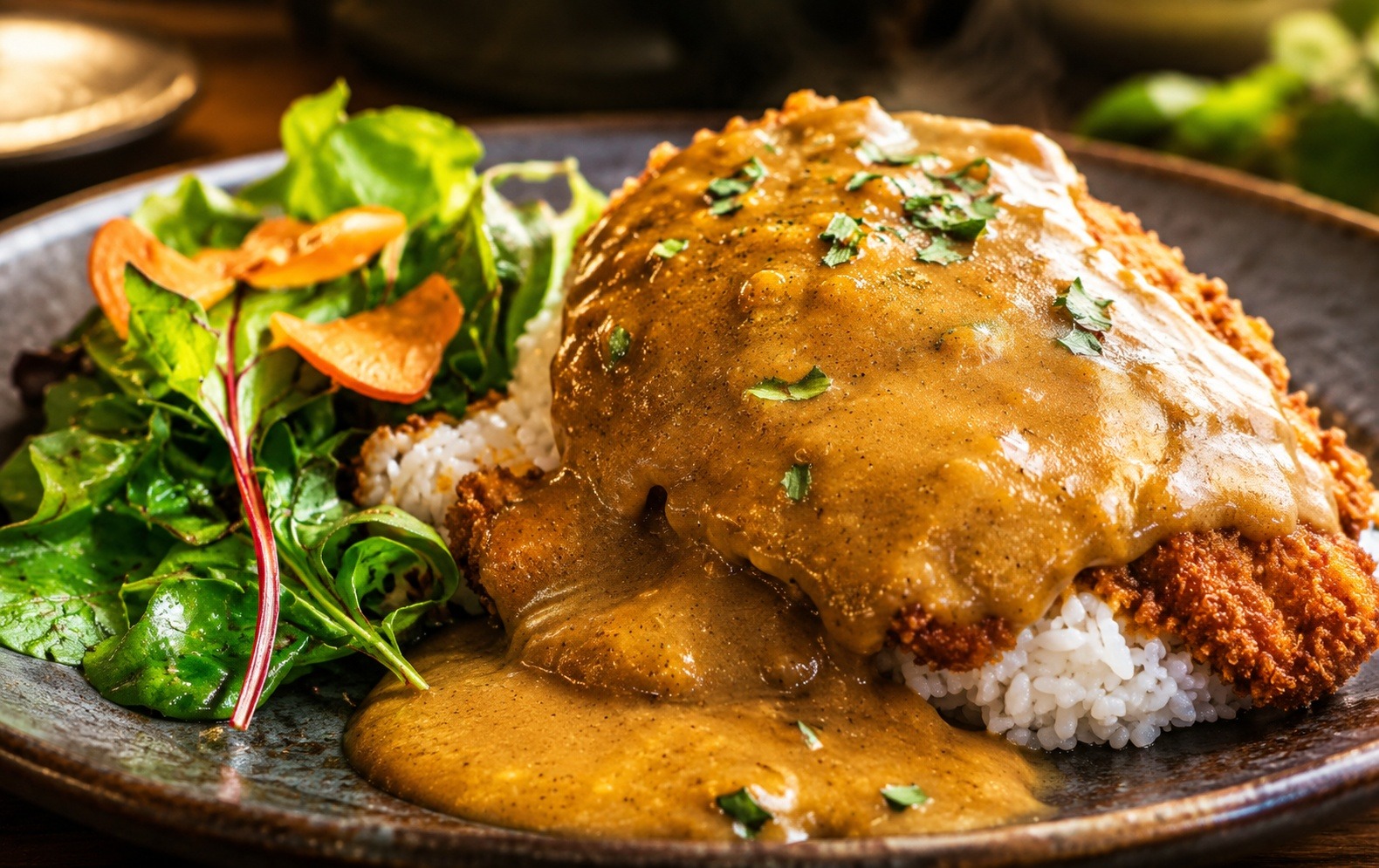
Japanese cuisine has earned worldwide recognition for its balance of flavour, presentation, and tradition. Among the many dishes that have captured international attention, katsu curry stands out as one of the most comforting and satisfying meals. Combining crispy breaded cutlets with rich Japanese curry sauce and steamed rice, the dish offers a perfect blend of texture and flavour that appeals to people across cultures.
Over the decades, this beloved meal has evolved from a local Japanese specialty into an internationally recognised comfort food. Today, restaurants around the world serve their own interpretations of the dish, while home cooks continue experimenting with new ingredients and techniques. Understanding the origins and development of this meal reveals why it has become such an enduring culinary favourite.
The Origins of Japanese Curry
Japanese curry traces its roots back to the late nineteenth century during the Meiji era. Curry itself was introduced to Japan by the British, who had adapted Indian curry recipes during their colonial presence in India. The British navy commonly served curry as a practical and filling meal, and Japanese sailors later adopted the dish after interactions with the British Royal Navy.
However, Japan quickly transformed curry into something uniquely its own. Unlike traditional Indian curries, Japanese curry became thicker, milder, and slightly sweeter. The sauce was often prepared using roux blocks that simplified cooking and created a rich texture. Over time, curry rice became a staple meal in Japanese households, schools, and restaurants.
As curry gained popularity across Japan, chefs began experimenting with additional ingredients and serving styles. One of the most influential innovations was the addition of breaded and fried meat cutlets, which eventually led to the creation of the famous katsu curry dish loved today.
The Birth of Tonkatsu and Its Influence
To understand the rise of katsu curry, it is important to examine the history of tonkatsu. Tonkatsu refers to a breaded and deep-fried pork cutlet that became popular in Japan during the early twentieth century. Inspired by European-style breaded meats such as schnitzel, Japanese chefs adapted the concept using local ingredients and techniques.
Tonkatsu quickly became popular because it was affordable, filling, and easy to prepare. Restaurants specialising in fried cutlets began appearing throughout Japanese cities, especially in Tokyo. The crispy panko breadcrumb coating gave tonkatsu a distinctive crunch that paired perfectly with rice and sauces.
Eventually, someone combined tonkatsu with Japanese curry sauce and rice, creating an entirely new dish. The combination proved highly successful because the crispy texture of the cutlet balanced the smooth, savoury curry. This innovation laid the foundation for one of Japan’s most iconic comfort foods.
Why Katsu Curry Became So Popular in Japan
Several factors contributed to the rapid popularity of katsu curry throughout Japan. First, the dish was both hearty and affordable, making it accessible to students, workers, and families. It provided a complete meal with protein, carbohydrates, and rich flavour all in one plate.
Second, Japanese curry itself appealed to a wide audience because of its mild spice level. Unlike many spicier curries found elsewhere in Asia, Japanese curry focused more on savoury sweetness and deep umami flavours. This made it approachable even for people unfamiliar with spicy foods.
Another important factor was convenience. Curry roux products became widely available in supermarkets, allowing families to prepare restaurant-style curry at home with minimal effort. The addition of pre-made tonkatsu or freshly fried cutlets made the dish even more satisfying.
School cafeterias, casual restaurants, and convenience stores all helped spread the popularity of katsu curry. As generations grew up eating the dish regularly, it became deeply associated with comfort, nostalgia, and everyday Japanese dining culture.
The Global Expansion of Japanese Cuisine
The international growth of Japanese cuisine during the late twentieth century played a major role in introducing katsu curry to global audiences. Initially, sushi was the primary Japanese dish recognised internationally. However, as interest in Japanese food expanded, diners began exploring other traditional and modern dishes.
Japanese restaurants overseas started including curry dishes on their menus because they appealed to local tastes. The familiar combination of fried meat, rice, and gravy-like sauce made katsu curry especially easy for international diners to enjoy. Unlike raw seafood dishes that some people found intimidating, katsu curry felt approachable and comforting.
Major restaurant chains also contributed to the dish’s international popularity. Japanese curry restaurants opened branches in cities across Europe, North America, and Asia, introducing authentic versions of the dish to new audiences. Social media and food blogging further accelerated interest by showcasing visually appealing plates of crispy cutlets covered in rich golden curry sauce.
As Japanese pop culture, anime, and travel became increasingly popular worldwide, many people also developed curiosity about Japanese comfort foods, including curry dishes commonly featured in media and television.
Regional and Modern Variations
One reason katsu curry continues to thrive globally is its adaptability. While the traditional version usually features pork cutlets, modern restaurants and home cooks have created numerous alternatives to suit different dietary preferences and cultural tastes.
Chicken katsu curry has become one of the most popular variations outside Japan. The lighter flavour of chicken appeals to a broad audience, while still maintaining the satisfying crispy texture associated with the dish. Beef, seafood, and even cheese-filled cutlets have also become common options.
Vegetarian and vegan adaptations have further expanded the dish’s reach. Restaurants now frequently offer tofu, mushroom, or vegetable-based cutlets paired with plant-based curry sauces. These alternatives allow more people to enjoy the comforting qualities of the meal without sacrificing flavour.
Regional creativity has also influenced preparation methods. Some versions include extra spices for a stronger kick, while others incorporate local ingredients and toppings. Despite these variations, the core identity of the dish remains intact: crispy cutlets served with rich curry and rice.
The Cultural Appeal of Comfort Food
Katsu curry’s success goes beyond taste alone. The dish represents many qualities people seek in comfort food: warmth, satisfaction, familiarity, and emotional connection. In Japan, curry dishes are often associated with family meals, school lunches, and homemade cooking traditions.
Internationally, comfort foods have become increasingly popular as people search for meals that provide both flavour and emotional reassurance. Katsu curry fits perfectly into this trend because it combines familiar elements with unique Japanese culinary identity.
The visual appeal of the dish also contributes to its popularity. The contrast between golden crispy cutlets, thick curry sauce, and white rice creates an attractive presentation that photographs well and encourages social sharing online.
Furthermore, the dish balances simplicity with richness. It is easy enough for casual dining but flavourful enough to leave a lasting impression. This balance has helped katsu curry maintain relevance in both traditional restaurants and modern fusion cuisine.
Conclusion
The journey of katsu curry from a Japanese adaptation of foreign influences to a globally recognised comfort food highlights the power of culinary innovation and cultural exchange. By combining crispy fried cutlets with rich Japanese curry sauce, the dish created a flavour experience that resonated with people far beyond Japan’s borders.
Its affordability, comforting qualities, and adaptability have allowed it to thrive across generations and cultures. Whether served in traditional Japanese restaurants or reinvented through modern interpretations, katsu curry continues to win the hearts of food lovers worldwide. As global appreciation for Japanese cuisine grows, this iconic dish will likely remain a favourite for many years to come.
READ ALSO: Refined Rapeseed Oil: Why It Is Often Chosen for Professional Cuisine

Solid write-up, thanks for sharing. It’s rare to find content this well organized on the subject, and I found a few things here that I hadn’t considered before.
https://t.me/Boda8_Official
Thanks for this – genuinely useful breakdown. I keep a short reference list on this topic and this one has been handy: https://plaza.rakuten.co.jp/peluang888my/diary/202609200000/