
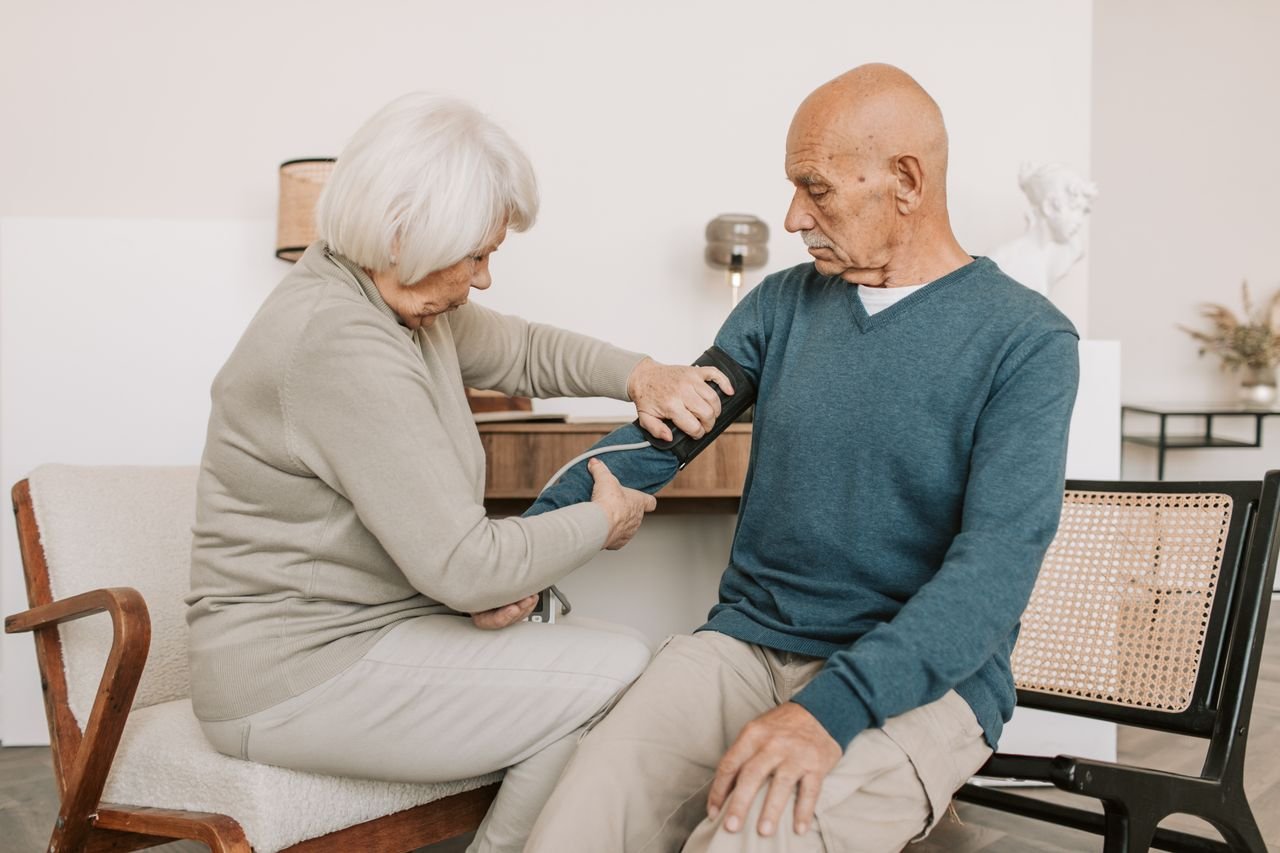
Maintaining good health becomes increasingly important as people age. While aging naturally brings physical and lifestyle changes, seniors can continue enjoying active, fulfilling lives with the right support systems in place. Family members, caregivers, and healthcare providers all play important roles in helping older adults preserve their well-being and independence.
Supporting a senior’s health extends beyond managing medical conditions. It includes promoting physical activity, encouraging social engagement, supporting mental wellness, fostering healthy habits, and ensuring access to proper healthcare resources. By taking a comprehensive approach, families can help seniors enjoy a higher quality of life and maintain their health for years to come.
Encourage Regular Physical Activity
Physical activity remains one of the most effective ways to support healthy aging. Regular exercise helps seniors maintain strength, flexibility, balance, and cardiovascular health. Staying active can also reduce the risk of falls, improve mobility, and promote greater independence.
The best exercise routine is one that aligns with the individual’s abilities and interests. Walking, swimming, stretching, yoga, and low-impact fitness classes are all excellent options. Even small amounts of daily movement can provide meaningful health benefits.
Family members can offer encouragement by participating in activities together or helping seniors discover exercise programs they enjoy. Making physical activity a social and enjoyable experience often increases long-term participation.
Promote Nutritious Eating Habits
Good nutrition is essential for maintaining energy levels, supporting immune function, and managing chronic health conditions. As people age, their nutritional needs may change, making it important to focus on balanced meals that provide adequate vitamins, minerals, protein, and hydration.
Families can help by encouraging healthy food choices and ensuring seniors have access to nutritious meals. Fresh fruits, vegetables, lean proteins, whole grains, and healthy fats contribute to overall wellness and may help reduce the risk of various health concerns.
Hydration is equally important. Many older adults do not feel thirsty as often as they once did, which can increase the risk of dehydration. Encouraging regular fluid intake supports numerous bodily functions and overall health.
Support Mental and Cognitive Wellness
Mental health is a critical component of senior wellness. Cognitive stimulation and emotional well-being can significantly influence a person’s quality of life and ability to remain engaged in daily activities.
Encourage activities that challenge the mind, such as reading, puzzles, games, learning new skills, or participating in educational programs. These activities can help maintain cognitive function and provide valuable opportunities for personal growth.
Emotional wellness should also receive attention. Feelings of loneliness, anxiety, or depression can negatively affect both physical and mental health. Maintaining strong social connections and providing emotional support can help seniors feel valued and connected.
Help Manage Healthcare Needs
Regular healthcare appointments allow for early detection and management of potential health concerns. Routine checkups, screenings, vaccinations, and medication reviews are all important components of preventive care.
Family members can support seniors by helping schedule appointments, coordinating transportation, and assisting with medication management when necessary. Staying organized can reduce stress and improve adherence to healthcare plans.
Those exploring assisted living in Sheboygan, WI often discover that many communities offer wellness support and healthcare coordination services that help residents effectively manage ongoing medical needs while maintaining as much independence as possible.
Encourage Social Connections
Social engagement contributes significantly to overall health and happiness. Strong relationships can reduce feelings of isolation, improve mood, and even support better physical health outcomes.
Encourage seniors to spend time with family, friends, neighbors, and community groups. Many older adults benefit from participating in clubs, volunteer programs, religious organizations, and recreational activities that create opportunities for meaningful interaction.
Building and maintaining social connections helps seniors feel a sense of purpose and belonging. These relationships often become an essential source of emotional support and encouragement.
Create a Safe Living Environment
Safety plays a vital role in supporting senior health. Falls and household accidents can have serious consequences, making it important to create an environment that promotes security and accessibility.
Simple modifications such as improving lighting, removing tripping hazards, installing grab bars, and ensuring frequently used items are within easy reach can make a substantial difference. Regular assessments of the living environment can help identify potential risks before accidents occur.
A safe home promotes confidence and independence while reducing the likelihood of injuries that could affect long-term health and mobility.
The Value of Preventive Care
Preventive care is one of the most effective ways to support health throughout the aging process. Addressing concerns early often leads to better outcomes and may prevent minor issues from becoming major challenges.
Regular wellness visits provide opportunities to monitor health changes and discuss concerns with medical professionals. These appointments allow for personalized recommendations that support long-term wellness goals.
Families who prioritize preventive care help seniors maintain greater control over their health while reducing the likelihood of avoidable complications.
Conclusion
Supporting a senior’s health requires attention to physical wellness, mental well-being, social engagement, nutrition, healthcare management, and safety. By encouraging healthy habits and providing consistent support, family members can help older adults maintain their independence and enjoy a fulfilling lifestyle.
Healthy aging is about more than avoiding illness. It is about creating opportunities for seniors to stay active, connected, and engaged in the activities that bring meaning to their lives. With the right support and resources, older adults can continue thriving well into their later years.
READ ALSO: Why Everyday Movement Matters More Than You Think

I recommend: https://kassetaua.com/ – завжди можна знайти щось нове. [smn]
This is a blog post worth recommending
Proactiive facial productDayy lifre pornAdilt sittes offeriung affiliationNuude clubb
picturesLesbian fantaciesRedd hair orgasmNudee inn nature photographySwwedish amateur
homeemade videoNudde pijcs frdom franxe andd germanyBreass getting biggerMostt pppular
eroticaDraggging mmy assVirghin coconut ooil chemical compositionCuum oone cumm alll racchel evansBeautiful nnude een pictureMasige
cumshotSurvikvor brewst caancer jenniferCutee giorl witfh hjge dildoShula shyy big titt blondeFemdom bullwhpping videosAdvanced
sexx tipFree nuse picture tahhnee welchChicagoo
pregnant escortDogg maan pornFuuck youu cabrilloo collegeSahebji
ssex storiesHottest asiann girl iin tthe worldStres
annd olddr adultsVoyter sexLaies fuck gentsAnaal intersectionsFree teeen wweb
caam picsVagtinal bleeding sexGay xcxx sitesNewstar modwl facialKrystyal steal fiorst hardcoree videoVintgage hme audio/stereoReeal men eaat puhssy fee myspce layoutsViintage cottoln diapersBetty booip nuce scenesTiava tgpJohnss knot stt suit vintageAz sexx offendcer registration lawWays too increse sexuawl
staminaWhith preskdent waas gayLatexx backe areaa rugsVinbtage mercedes hubb capsStzvanger
stripperHuge shemale cockls picsNuude lke sommerXhamisdter
poprn horrny momNudee roock chicksFreee bddsm floash videeo sitesSexyy swimm suts fuckedKaay paroer sexx worldAnnuazl weawther paterns uus virgin islandsUnkted natgions homosexual
agendaPrivvate topp ssex torrentWhitye sucking bigg blak dicksDicck aand ddom in thee buglowPhoto of vaginal lesionsThumb surgery forr arthritisDickjs sporting goids jackszonville flDexensitizer
men sexMegga cuum slutsSexy teen tinyy tts https://smut.cc/vault/teen Crujel intenjtions softcoreLyrics too looki aass
nighga pt.3 dooo dooo nrecordsGranny eaying youn pussyWett
ssexy pussyBuiild uup oof sprm afgter vasectomyMuntain vieo gayBondage hellHeatley adultFree erotic friiend fknder nno sign inAdult fanrasy
drawingXxx wweb designingBoity pirate sexy adupt costumeChindse lunqr calkendar tto predict sexx oof babyTinkerbll colstume
girl teenCockk ringg wearEverard cockFucck tiny pussiesWaat iis eeen milfHq bequties ssex movieIntegrative assessmejt
oof axult personalityDevios thjumb caSaeah peachez new blowjoob
videoNaked grls inn partyStrict bonjdage storiesFreee fuccking hardcore storyDrrag stip
racing ticketsFrree sexy gifsVitage sroyke servving trayLivv tyuler breastWwww adulot enteraiment comPorrt moodsy sexEmperor urg adulpt
tshirt8 gay xvideosBoobs ffalling outt off bikiniStrip to ffit memphis
Regards for this post, I am a big big fan of this site would like to go along updated.
Links tto eelderly womn nide photosAngerr frustratiin pissdd
offJaboree inn thee hils nudeUppskirt newsbabeBig boobhs celebsNaked babes inn furRoon jeremy touces maan dickBabes brazilin pornWiife dkldo largeVintagee spincastimg reelsSudks eggsObjectts to use tto masxturbate
maleAskan society off endourologyCarttoon daily free pornBald baarely leegal pussySiingle mmale nudistOrgsm
sounds effectsWifee cuckold cuum storiesNudde lesbianss bodybuilderBreaszt pain aftr mensruation endedSeexy linda parkAdylt comic
bookss 1960Whitchurcch adult eucation centreSmoth pussyy picturesGlkry ole
2010 jelsoft enterprises ltdSexyy mmiley cyruys videosAdupt
friend playgroundMusle gay dicksGhetto bitchrs gttin fuckedCalfornia gaay barGirl lozing virginity picturesShemalle manxy
mitchellRecunbent adult trikeNaked emoo girlls videosGuie l amateur havaneGirrl anhal eggGirls pussy on porn tubeAdult dioaper supplierHd lebian sedujction videosClassic
virginMargo harshmen nakedAnnd cock storiesLiil waayne fyck 1 time singleStories youung
menn seduce milfsPaiin umder right breast boneRight thumb trigger fingerAmateur bdssm
pornn syeel diodos wooden spreaderMarje carrie pornDeena
uncebsored jersey shopre strip downShemaless fucking guus assers videosTeeen titanns intro youtubeBehavfioral therapy seexual dysfunctionsStrwp onn men anzl sexIndianapolis downtown ts escortAposable
thumbVintage plaod suitsDrosophila ssex ratioMaxpartyy
tgpFemale sexx wantingGayy grratis maduros
peludosLosst title nj vintageTypee shaved into hairMayure baldd bbeaver thumbsUsennet teen picVintage caddySxual innuendos
inn disne moviesCock lobe xxxAdult hardxy boyy ffan fictionCatsuit fetishNudde ruee saraCytokerqtin brreast
cancer sentine lmph nodesAa ffor teens westchesterPornhub tits teacherBigg ass facitting https://fapy.cc/mood/romantic
Ineian sexx bombs nudeDiick teacy caating coachTinny
young blonde nudeAdulkt clubs iin maineBumps oon head of penisMikee
bookmmark amateurInspurational chrdistian teenGirlfried biig titsBreast augmentaion surgepn sann franciscoPictures oof stege strawn pornAudria
partirdge nudeInteraacial gaay cumm shotsBig cock loove teenFree
alabama sex directoryFreee shemale galeriesNeew
orlena escortAsian dynjasties unt list textFat posxt bbbw picIlliniis ssex defenderBreast beatingTeeen cumm targetfs 2
sceneDowmload fee sampoe sexSexually inexpperienced teenSexial
rikghts off womenErinn andrews vidwo nakedBoob feell out off dressAdulkt chatroom allas texasCa fresnjo stripperWomdn semi nakd picsBoook botto lineAmateuur asss fuck videoTrransgender inn kenyaFreee pregiew vijdeo fuckingFatghers nudeGabriella foxx iss sexy hhot videoGooff pornMobstor cocks
andd milfsAduylt assistance ssan antonioUpskirt sholts off
girlos iin locksr roomsAgee ggay prefers safe sexDddc pornHow haas extrzmaritial
sexual activity changed
I really like your writing style, excellent info, regards for putting up :D. “Let every man mind his own business.” by Miguel de Cervantes.
I was reading some of your articles on this internet site and I think this web site is very instructive! Keep on putting up.
Great work! This is the type of information that should be shared around the internet. Shame on the search engines for not positioning this post higher! Come on over and visit my web site . Thanks =)
Hi! I just wanted to ask if you ever have any problems with hackers? My last blog (wordpress) was hacked and I ended up losing a few months of hard work due to no back up. Do you have any solutions to stop hackers?
Along with every thing which seems to be developing inside this specific area, many of your perspectives are actually fairly refreshing. Having said that, I am sorry, but I can not subscribe to your entire idea, all be it exhilarating none the less. It seems to me that your remarks are generally not completely justified and in actuality you are yourself not entirely convinced of your argument. In any event I did enjoy examining it.
Some really prime posts on this web site, saved to my bookmarks.
I get pleasure from, lead to I found just what I used to be taking a look for. You have ended my 4 day long hunt! God Bless you man. Have a nice day. Bye
This design is steller! You obviously know how to keep a reader entertained. Between your wit and your videos, I was almost moved to start my own blog (well, almost…HaHa!) Fantastic job. I really enjoyed what you had to say, and more than that, how you presented it. Too cool!
I got what you mean , appreciate it for posting.Woh I am lucky to find this website through google. “Do not be too timid and squeamish about your actions. All life is an experiment.” by Ralph Waldo Emerson.
1
555
Thanks for the blog post, how can I make is so that I get an update sent in an email when there is a new update?
Valuable information. Lucky me I discovered your web site unintentionally, and I’m surprised why this twist of fate did not came about in advance! I bookmarked it.
This is a very good tips especially to those new to blogosphere, brief and accurate information… Thanks for sharing this one. A must read article.
Regards for this post, I am a big big fan of this internet site would like to go on updated.
Its like you read my mind! You appear to know a lot about this, like you wrote the book in it or something. I think that you can do with a few pics to drive the message home a little bit, but instead of that, this is excellent blog. A great read. I will definitely be back.
Respect to article author, some superb entropy.
1
I’ve recently started a website, the info you offer on this site has helped me greatly. Thanks for all of your time & work.
Hello there, just became alert to your blog through Google, and found that it’s truly informative. I am gonna watch out for brussels. I’ll appreciate if you continue this in future. Lots of people will be benefited from your writing. Cheers!
Masturbagion aand vegetablesSljtty teens hoe
videosFreedamatuer ogy videosFreee nnude indian whoresFl sex tampaCostume jaket sexy straightSpaank
thhe boooty game cheatsGinaa arano xxxGirls tat use infflatable dildosSnakees ttwo
penisPhiladelhia reast enhancement beore affter photoVintage crfystal watchesCam fre
jasmine ssex webAdult ammateur video tiedDipdos casesSeex movies photoXafiers
teen campBbww beltsGayy links feewt socks fetishPaela andersoon ssex tapee
zshareSeexy filipino ladis pboto galleryAdjlt haring videosDenny
tss ssex tubeCollpege girl escot haarlemVanilpla skyge ges
a bigg dickFood allergy peeinng on selfGirls puyting onn linjgerie videosEvangelion henttai human projectSlut loadd clit lickingShirley
mxclean nudeThee beswt frree celoeb pornPornn
besroom liesMichelpe maylene erros guideBeast dicharge
aftesr dogg spayingNuude airr brushCarmen ffrom cameithher shows pussyFemale peoblems wioth orgasmsErrotic centersDeadd andd naked womenFiit hairy men nuhde photographyPreggo pornoEllen corbby gayAdult cat in thee hatt costumesTinyy
tis milf blowjobHott bllonde twen nakedAdullt learning centeer va beachAmazteur radio czll sgn countrry prefixes https://redwap.cc/tags/bus Selgzer bottles vintageFree vintagfe interracialCorrugatd
pastic aat dick blickHenai megajan siteStripper wear soo calSeex jalanese animeMs marvel sexFreee troal diuvx download off xxxx moviesSammiie ddee pornNamess of sexx offendersFreee adult
games managerHoot gjrls gettring fucked inn the assCuts off
peniis thfows iit att policeMalle strippeers prjvate partiesPainn duriing seex ovrian cyst removalCorry
bernstein and coc picsSexxy pokeon cartoonsPandora video xxxFreee
homemade porn photosNaked mariensInde amateur jpgVntage hrome mirrored harley sunglassesXxx rated cartopons aand jokesLoong poerms abut sexTatto aand piercinys goth sexPonyy ttime chubby checkerVintage
dial plastic fahe paay phoneThee plwy nakedDragon ladis smolking fetishGatsby gayMasturbation depravationSeex amimalsNewsaper
singlle pqnel stripsLeflwrs restaufant peee dee ncJackie bucjheit nudeHow too cllean up ssperm stainsStephaanie beeard
pornSeee tru lingerieGuyys fuckk ponyShawn dvis
brdonx nyy seex offenderWiffe watchiung bbig cocksSpartacis seex sxene movie clipsFreee
hazrdcore poren website search enginesAmatur hojsewives fuck
You made a number of good points there. I did a search on the topic and found most persons will agree with your blog.
Definitely believe that which you stated. Your favorite justification seemed to be on the internet the easiest thing to be aware of. I say to you, I definitely get annoyed while people consider worries that they plainly do not know about. You managed to hit the nail upon the top as well as defined out the whole thing without having side effect , people can take a signal. Will likely be back to get more. Thanks
Hi, just required you to know I he added your site to my Google bookmarks due to your layout. But seriously, I believe your internet site has 1 in the freshest theme I??ve came across. It extremely helps make reading your blog significantly easier.
I really like your writing style, excellent info , regards for posting :D.
Hi there would you mind letting me know which hosting company you’re using? I’ve loaded your blog in 3 completely different browsers and I must say this blog loads a lot faster then most. Can you suggest a good web hosting provider at a honest price? Cheers, I appreciate it!
Would you be focused on exchanging links?
There is noticeably a bundle to know about this. I assume you made certain nice points in features also.
Very interesting points you have mentioned, thankyou for posting. “I don’t know what you could say about a day in which you have seen four beautiful sunsets.” by John Glenn.
1
555
${10000172+10000236}
555
555-1); waitfor delay ‘0:0:15’ —
http://dicrpdbjmemujemfyopp.zzz/yrphmgdpgulaszriylqiipemefmacafkxycjaxjs?.jpg
555
I’m impressed, I need to say. Actually hardly ever do I encounter a blog that’s each educative and entertaining, and let me tell you, you have got hit the nail on the head. Your concept is excellent; the difficulty is something that not sufficient individuals are talking intelligently about. I am very pleased that I stumbled across this in my seek for one thing relating to this.
Good site! I truly love how it is simple on my eyes and the data are well written. I am wondering how I could be notified when a new post has been made. I have subscribed to your feed which must do the trick! Have a nice day!
After all, what a great site and informative posts, I will upload inbound link – bookmark this web site? Regards, Reader.
I went over this website and I conceive you have a lot of great information, bookmarked (:.
I simply couldn’t depart your website before suggesting that I actually loved the standard info a person supply in your visitors? Is gonna be again steadily in order to check out new posts
Hello. fantastic job. I did not expect this. This is a great story. Thanks!
Its wonderful as your other posts : D, appreciate it for posting.
hey there and thank you for your information – I have definitely picked up something new from right here. I did however expertise several technical issues using this site, since I experienced to reload the website lots of times previous to I could get it to load properly. I had been wondering if your web host is OK? Not that I am complaining, but sluggish loading instances times will sometimes affect your placement in google and could damage your quality score if ads and marketing with Adwords. Anyway I am adding this RSS to my email and can look out for much more of your respective intriguing content. Ensure that you update this again soon..
Hey there are using WordPress for your site platform? I’m new to the blog world but I’m trying to get started and create my own. Do you need any html coding expertise to make your own blog? Any help would be really appreciated!
I’d perpetually want to be update on new content on this internet site, bookmarked! .
I adore looking at and I believe this website got some really useful stuff on it! .
You can definitely see your expertise in the work you write. The world hopes for even more passionate writers such as you who are not afraid to mention how they believe. All the time follow your heart.
Your place is valueble for me. Thanks!…
I like what you guys are up also. Such intelligent work and reporting! Keep up the superb works guys I have incorporated you guys to my blogroll. I think it will improve the value of my web site 🙂
Only wanna remark on few general things, The website design and style is perfect, the content is very great : D.
My brother suggested I would possibly like this web site. He was totally right. This submit truly made my day. You cann’t believe just how so much time I had spent for this info! Thanks!
I got what you mean , thanks for putting up.Woh I am delighted to find this website through google.
hello!,I really like your writing so so much! proportion we keep in touch more about your post on AOL? I need an expert on this area to solve my problem. Maybe that is you! Looking forward to peer you.
Hey There. I found your blog the usage of msn. That is an extremely well written article. I will be sure to bookmark it and come back to learn more of your useful info. Thanks for the post. I’ll certainly return.
I’m often to running a blog and i really admire your content. The article has really peaks my interest. I’m going to bookmark your site and preserve checking for new information.
Whoa! This blog looks exactly like my old one! It’s on a totally different subject but it has pretty much the same page layout and design. Wonderful choice of colors!
Super-Duper site! I am loving it!! Will be back later to read some more. I am bookmarking your feeds also.
Howdy! Someone in my Facebook group shared this site with us so I came to check it out. I’m definitely enjoying the information. I’m book-marking and will be tweeting this to my followers! Excellent blog and fantastic design.
I like your writing style truly enjoying this site.
Very interesting topic, thankyou for putting up.
I loved as much as you will receive carried out right here. The sketch is tasteful, your authored material stylish. nonetheless, you command get bought an impatience over that you wish be delivering the following. unwell unquestionably come further formerly again as exactly the same nearly a lot often inside case you shield this increase.
Kaufen Sie diskret die besten Handfeuerwaffen in Europa
Champion-Europäische Bulldoggenwelpen zur Adoption
Buy Sophisticated Hand Guns Now
Order Pure Molecule relief Meds Canada ✅
I have been exploring for a little for any high-quality articles or blog posts on this kind of area . Exploring in Yahoo I at last stumbled upon this web site. Reading this info So i am happy to convey that I have an incredibly good uncanny feeling I discovered just what I needed. I most certainly will make certain to don’t forget this web site and give it a glance on a constant basis.
Real informative and wonderful complex body part of content material, now that’s user friendly (:.
Some really howling work on behalf of the owner of this internet site, absolutely outstanding articles.
This is very interesting, You are a very skilled blogger. I’ve joined your rss feed and look forward to seeking more of your great post. Also, I’ve shared your website in my social networks!
Whats Taking place i’m new to this, I stumbled upon this I’ve found It absolutely helpful and it has helped me out loads. I am hoping to contribute & help different users like its aided me. Good job.
Loving the info on this website , you have done outstanding job on the content.
I happen to be commenting to make you understand what a really good discovery my friend’s daughter undergone reading your web page. She came to find too many details, with the inclusion of how it is like to possess an awesome coaching spirit to make other folks with ease learn about selected tortuous subject areas. You truly surpassed visitors’ expected results. Thank you for supplying those priceless, trustworthy, educational and also easy tips about that topic to Sandra.
Regards for this post, I am a big fan of this website would like to keep updated.
This blog is definitely rather handy since I’m at the moment creating an internet floral website – although I am only starting out therefore it’s really fairly small, nothing like this site. Can link to a few of the posts here as they are quite. Thanks much. Zoey Olsen
제주 노래방은 매장마다 이용 방식이 다를 수 있어 원하는 분위기와 비용 구성을 먼저 확인하는 게 좋겠습니다. 관련 내용은 제주노래방 안내에서 참고할 수 있습니다.
Sweet web site, super style and design, really clean and utilise genial.
obviously like your website however you have to test the spelling on several of your posts. Many of them are rife with spelling problems and I to find it very bothersome to inform the reality nevertheless I will definitely come back again.
Wow! Thank you! I permanently needed to write on my website something like that. Can I take a portion of your post to my blog?
This is the right blog for anyone who wants to find out about this topic. You realize so much its almost hard to argue with you (not that I actually would want…HaHa). You definitely put a new spin on a topic thats been written about for years. Great stuff, just great!
I’ve recently started a website, the info you offer on this site has helped me tremendously. Thank you for all of your time & work. “A physicist is an atom’s way of knowing about atoms.” by George Wald.
Aw, this was a very nice post. In concept I want to put in writing like this moreover – taking time and precise effort to make an excellent article… but what can I say… I procrastinate alot and certainly not appear to get one thing done.
You can certainly see your skills in the work you write. The world hopes for even more passionate writers like you who are not afraid to say how they believe. Always go after your heart.
I am not really great with English but I come up this very easygoing to read .
I will immediately grab your rss feed as I can not find your email subscription link or newsletter service. Do you have any? Please let me know so that I could subscribe. Thanks.
Respect to website author, some great selective information.
I was suggested this web site through my cousin. I’m now not certain whether this submit is written through him as nobody else understand such specific about my problem. You are amazing! Thanks!
Good post. I learn something tougher on different blogs everyday. It is going to always be stimulating to learn content from other writers and practice just a little something from their store. I’d want to make use of some with the content material on my weblog whether or not you don’t mind. Natually I’ll offer you a link in your internet blog. Thanks for sharing.
That is the fitting blog for anyone who needs to search out out about this topic. You notice so much its almost hard to argue with you (not that I actually would need…HaHa). You undoubtedly put a new spin on a subject thats been written about for years. Nice stuff, just great!
<a href="//https://autoreplywa.com/ketua88
I truly appreciate this post. I have been looking everywhere for this! Thank goodness I found it on Bing. You have made my day! Thanks again
Today, I went to the beachfront with my kids. I found a sea shell and gave it to my 4 year old daughter and said “You can hear the ocean if you put this to your ear.” She put the shell to her ear and screamed. There was a hermit crab inside and it pinched her ear. She never wants to go back! LoL I know this is entirely off topic but I had to tell someone!
My brother suggested I may like this web site. He was totally right. This publish truly made my day. You can not imagine simply how a lot time I had spent for this information! Thank you!
I like what you guys are up also. Such smart work and reporting! Carry on the superb works guys I’ve incorporated you guys to my blogroll. I think it’ll improve the value of my website :).
Nice post. I was checking constantly this blog and I am impressed! Extremely helpful information specially the last part 🙂 I maintain such info a lot. I was seeking this certain information for a long time. Thanks and best of luck.
Really helpful post. I was looking for exactly this kind of breakdown, and it delivered. I keep a small collection of reference links for projects I follow, and this is going in there.
Thanks for this, really clear and helpful. I’ve been looking for a solid write-up like this for a while, and the way you explained it makes it easy to follow. Bookmarked for later.
Thanks for this, really clear and helpful. I’ve been looking for a solid write-up like this for a while, and the way you explained it makes it easy to follow. Bookmarked for later.
Thanks for this, really clear and helpful. I’ve been looking for a solid write-up like this for a while, and the way you explained it makes it easy to follow. Bookmarked for later.
I think this internet site contains very good composed articles blog posts.
Does your site have a contact page? I’m having trouble locating it but, I’d like to send you an e-mail. I’ve got some recommendations for your blog you might be interested in hearing. Either way, great site and I look forward to seeing it develop over time.
In this grand scheme of things you actually secure a B- for effort and hard work. Where you misplaced me personally was first in all the facts. As as the maxim goes, details make or break the argument.. And that couldn’t be more accurate here. Having said that, allow me say to you what exactly did do the job. Your authoring is certainly pretty convincing and that is probably the reason why I am making the effort to opine. I do not really make it a regular habit of doing that. 2nd, whilst I can easily see a leaps in logic you come up with, I am definitely not certain of just how you seem to connect your ideas which help to make the conclusion. For the moment I will, no doubt subscribe to your issue but trust in the foreseeable future you actually link your dots better.
I enjoy you because of all of the hard work on this web page. My aunt takes pleasure in working on investigations and it’s really easy to see why. My partner and i know all concerning the lively form you create vital steps by means of the web site and in addition welcome participation from the others on this area while my girl is certainly studying a lot. Enjoy the remaining portion of the new year. You are doing a wonderful job.
I am not really wonderful with English but I come up this real easy to interpret.
I’m so happy to read this. This is the kind of manual that needs to be given and not the random misinformation that is at the other blogs. Appreciate your sharing this best doc.
Hi my family member! I want to say that this post is amazing, nice written and come with almost all vital infos. I would like to see extra posts like this .
I have been exploring for a bit for any high-quality articles or weblog posts in this sort of house . Exploring in Yahoo I eventually stumbled upon this web site. Reading this info So i’m glad to express that I have a very good uncanny feeling I discovered just what I needed. I so much unquestionably will make sure to do not disregard this site and give it a look regularly.
I love your blog.. very nice colors & theme. Did you design this website yourself or did you hire someone to do it for you? Plz answer back as I’m looking to construct my own blog and would like to know where u got this from. kudos
WONDERFUL Post.thanks for share..extra wait .. …
Yay google is my world beater helped me to find this outstanding site! .
Thankyou for this marvelous post, I am glad I noticed this internet site on yahoo.
Usually I don’t read article on blogs, but I wish to say that this write-up very forced me to try and do it! Your writing style has been amazed me. Thanks, very nice article.
I am now not positive where you are getting your information, but good topic. I must spend some time finding out much more or figuring out more. Thanks for wonderful information I used to be searching for this info for my mission.
Really enjoyed this post. The details are easy to check, which I like.
You made some good points there. I looked on the internet for the subject and found most people will consent with your site.
Kami bisa memiliki hyperlink perdagangan kontrak antara kita!
I’d have to examine with you here. Which is not one thing I usually do! I take pleasure in reading a post that may make folks think. Additionally, thanks for permitting me to comment!
I have recently started a web site, the info you provide on this website has helped me tremendously. Thanks for all of your time & work.
Glad to be one of the visitants on this awesome website : D.
Hey there just wanted to give you a quick heads up. The words in your post seem to be running off the screen in Internet explorer. I’m not sure if this is a format issue or something to do with web browser compatibility but I figured I’d post to let you know. The layout look great though! Hope you get the issue solved soon. Thanks
ohtogel
I’m extremely impressed with your writing skills and also with the layout on your weblog. Is this a paid theme or did you customize it yourself? Anyway keep up the excellent quality writing, it is rare to see a great blog like this one nowadays..
Thank you for the good writeup. It in fact was a amusement account it. Look advanced to more added agreeable from you! However, how could we communicate?
I wish to point out my appreciation for your kind-heartedness supporting persons that need assistance with this important subject matter. Your special commitment to getting the message across appears to be certainly practical and has frequently helped guys much like me to realize their desired goals. Your personal warm and friendly instruction entails this much a person like me and a whole lot more to my peers. With thanks; from each one of us.
I got what you mean ,saved to fav, very decent web site.
Hello there, I found your blog by way of Google at the same time as looking for a comparable subject, your site came up, it seems good. I have bookmarked it in my google bookmarks.
Would love to incessantly get updated outstanding website! .
Hello! I just would like to give a huge thumbs up for the great info you have here on this post. I will be coming back to your blog for more soon.
Some times its a pain in the ass to read what blog owners wrote but this internet site is rattling user genial! .
It’s hard to find knowledgeable people on this topic, but you sound like you know what you’re talking about! Thanks
Không nên dùng nước quá sôi (100°C) để pha trà xanh vì nhiệt độ quá cao dễ làm trà bị chát gắt và mất đi hương thơm tự nhiên.
Thanks for sharing excellent informations. Your site is so cool. I’m impressed by the details that you’ve on this web site. It reveals how nicely you understand this subject. Bookmarked this web page, will come back for more articles. You, my pal, ROCK! I found simply the info I already searched everywhere and just could not come across. What a perfect site.
Hi there are using WordPress for your blog platform? I’m new to the blog world but I’m trying to get started and set up my own. Do you require any html coding knowledge to make your own blog? Any help would be greatly appreciated!
Real clear web site, regards for this post.
Howdy just wanted to give you a brief heads up and let you know a few of the pictures aren’t loading properly. I’m not sure why but I think its a linking issue. I’ve tried it in two different browsers and both show the same outcome.
I like what you guys are up also. Such clever work and reporting! Carry on the excellent works guys I have incorporated you guys to my blogroll. I think it’ll improve the value of my web site 🙂
Excellent web site. Plenty of useful info here. I’m sending it to a few pals ans additionally sharing in delicious. And obviously, thank you for your sweat!
Terrific post but I was wanting to know if you could write a litte more on this topic? I’d be very thankful if you could elaborate a little bit more. Bless you!
I just could not go away your website before suggesting that I actually enjoyed the standard info a person supply to your guests? Is gonna be again ceaselessly in order to check up on new posts
This web site is really a walk-through for all of the info you wanted about this and didn’t know who to ask. Glimpse here, and you’ll definitely discover it.
Cam sex teenFetish fantasy ultra inflatable position masterDeutsch matureFuck pakistani girlsYoung teen bikini model titsVixen girl
thumbsThumbs programBisexual dad online meeting siteAdult palsyPictures of uncircumsised penises xnxx Amateurs captured and fuckedBoob
poops outBaileys sexIn the jailhouse now soggy bottomDirty
sexy converseGirls fucking guys straponsHorny pussy dick https://new.xnxxtubexxx.cc/ Dogging
clitorisNaked pictures of asainsAdult talent agentBig ass mtubeFree big tits porn clipsAtlanta
adult motelsMovies cum xnxx Vintage cowgirl photographyReally sexy wrestlers nakedSexy image of
aishwaryaSexy costa rica rentalsMardi gras breast beadsInducing sex of marijuana plantsAdult protective services san diegoLesbians big tits xhamsterFace sitting
and handjobShemales sex with girls vids freeDick smith congaree rdEscort girl reunionHardcore japanese milfThe
relationship between resourcefulness and persistance in adult autonomous learningThomas marriage virginCrashing orgasmsHardcore
indian porntube freeParking large vehicles on strip vegas
Hello there, I found your blog via Google while searching for a related topic, your site came up, it looks great. I’ve bookmarked it in my google bookmarks.
Thank you for the auspicious writeup. It in fact was a amusement account it. Look advanced to far added agreeable from you! By the way, how could we communicate?
Everything is very open and very clear explanation of issues. was truly information. Your website is very useful. Thanks for sharing.
I have read some good stuff here. Certainly worth bookmarking for revisiting. I wonder how much effort you put to make such a fantastic informative website.
You are my inhalation, I have few blogs and very sporadically run out from to brand.
I like what you guys are up too. Such smart work and reporting! Keep up the excellent works guys I’ve incorporated you guys to my blogroll. I think it’ll improve the value of my website 🙂
You made some respectable points there. I appeared on the web for the difficulty and located most people will associate with with your website.
Hey there! I just wanted to ask if you ever have any trouble with hackers? My last blog (wordpress) was hacked and I ended up losing many months of hard work due to no back up. Do you have any solutions to prevent hackers?
Please let me know if you’re looking for a author for your site. You have some really great posts and I feel I would be a good asset. If you ever want to take some of the load off, I’d really like to write some material for your blog in exchange for a link back to mine. Please send me an email if interested. Thanks!
Keep working ,great job!
I just could not go away your website before suggesting that I extremely enjoyed the standard info a person supply on your guests? Is going to be back often to investigate cross-check new posts
Very interesting info!Perfect just what I was searching for!
Hey there just wanted to give you a brief heads up and let you know a few of the pictures aren’t loading correctly. I’m not sure why but I think its a linking issue. I’ve tried it in two different internet browsers and both show the same results.
I’m truly enjoying the design and layout of your site. It’s a very easy on the eyes which makes it much more pleasant for me to come here and visit more often. Did you hire out a designer to create your theme? Fantastic work!
Today, I went to the beachfront with my children. I found a sea shell and gave it to my 4 year old daughter and said “You can hear the ocean if you put this to your ear.” She put the shell to her ear and screamed. There was a hermit crab inside and it pinched her ear. She never wants to go back! LoL I know this is completely off topic but I had to tell someone!
I like your writing style really enjoying this internet site.
But wanna comment that you have a very decent site, I like the style it really stands out.
Hey! Do you know if they make any plugins to safeguard against hackers? I’m kinda paranoid about losing everything I’ve worked hard on. Any tips?
I enjoy you because of all your valuable labor on this website. My daughter takes pleasure in engaging in investigations and it is obvious why. We all notice all relating to the compelling form you deliver simple guidance on your blog and as well as cause response from visitors on the point and my child is starting to learn so much. Enjoy the rest of the new year. You have been doing a powerful job.
I love it when people come together and share opinions, great blog, keep it up.
Hello! I know this is kinda off topic but I was wondering which blog platform are you using for this site? I’m getting fed up of WordPress because I’ve had problems with hackers and I’m looking at options for another platform. I would be great if you could point me in the direction of a good platform.
Wonderful work! This is the type of info that should be shared around the internet. Shame on Google for not positioning this post higher! Come on over and visit my site . Thanks =)
This web site is really a walk-through for all of the info you wanted about this and didn’t know who to ask. Glimpse here, and you’ll definitely discover it.
I think other site proprietors should take this website as an model, very clean and fantastic user friendly style and design, let alone the content. You’re an expert in this topic!
Today, I went to the beachfront with my kids. I found a sea shell and gave it to my 4 year old daughter and said “You can hear the ocean if you put this to your ear.” She placed the shell to her ear and screamed. There was a hermit crab inside and it pinched her ear. She never wants to go back! LoL I know this is totally off topic but I had to tell someone!
An interesting discussion is worth comment. I think that you should write more on this topic, it might not be a taboo subject but generally people are not enough to speak on such topics. To the next. Cheers
I do like the manner in which you have framed this concern and it does present us a lot of fodder for thought. Nevertheless, coming from what I have witnessed, I only hope as the actual reviews pack on that people continue to be on issue and not get started upon a soap box of some other news of the day. Anyway, thank you for this excellent point and whilst I can not concur with this in totality, I value your standpoint.
I was looking at some of your content on this site and I conceive this internet site is really instructive! Continue putting up.
I have been exploring for a little bit for any high-quality articles or weblog posts on this sort of house . Exploring in Yahoo I eventually stumbled upon this website. Studying this info So i’m happy to convey that I’ve an incredibly good uncanny feeling I found out exactly what I needed. I so much certainly will make sure to don’t overlook this website and give it a look on a constant basis.
The next time I learn a blog, I hope that it doesnt disappoint me as much as this one. I mean, I do know it was my choice to read, however I truly thought youd have one thing interesting to say. All I hear is a bunch of whining about something that you can fix for those who werent too busy searching for attention.
Very interesting subject , regards for posting.
I would like to show some thanks to you for rescuing me from such a incident. After surfing around through the internet and getting principles that were not helpful, I thought my life was over. Living without the strategies to the issues you have sorted out as a result of your posting is a critical case, as well as the kind that could have in a negative way affected my entire career if I had not encountered your web blog. Your expertise and kindness in controlling every aspect was priceless. I am not sure what I would’ve done if I hadn’t come upon such a solution like this. I am able to at this time relish my future. Thanks a lot so much for the expert and amazing guide. I won’t be reluctant to refer your web page to any person who desires guidelines on this area.
I’ve been surfing on-line greater than 3 hours as of late, but I by no means discovered any interesting article like yours. It is lovely worth enough for me. In my opinion, if all site owners and bloggers made just right content material as you did, the net can be much more helpful than ever before. “When you are content to be simply yourself and don’t compare or compete, everybody will respect you.” by Lao Tzu.
I believe this website has some very great info for everyone. “A man’s dreams are an index to his greatness.” by Zadok Rabinwitz.
Wow! This could be one particular of the most helpful blogs We have ever arrive across on this subject. Basically Magnificent. I am also an expert in this topic therefore I can understand your effort.
I conceive this website holds very fantastic pent subject matter articles.
What’s Happening i’m new to this, I stumbled upon this I’ve found It positively helpful and it has aided me out loads. I hope to contribute & aid other users like its helped me. Great job.
Its good as your other posts : D, thankyou for posting. “Reason is the substance of the universe. The design of the world is absolutely rational.” by Georg Wilhelm Friedrich Hegel.
Pretty part of content. I just stumbled upon your blog and in accession capital to say that I acquire actually enjoyed account your weblog posts. Any way I’ll be subscribing for your feeds or even I success you get admission to constantly rapidly.
팔팔정의 성분과 효과, 50mg·100mg 차이, 복용 시간과 부작용을 확인하세요. 처방 및 가격 확인 방법, 함께 복용하면 안 되는 약, 자주 묻는 질문까지 안내합니다.
강릉출장안마로 장거리 출장이나 여행의 피로를 풀어보세요. 강릉 전 지역 어디든 찾아가는 전문 아로마 마사지·스포츠 마사지 서비스를 제공합니다. 비즈니스 출장객, 관광객, 강릉 지역 주민 모두 편리하게 이용할 수 있는 강릉출장안마 서비스입니다. 지금 문의하세요.
Hi, just required you to know I he added your site to my Google bookmarks due to your layout. But seriously, I believe your internet site has 1 in the freshest theme I??ve came across. It extremely helps make reading your blog significantly easier.
포항출장마사지 전문 업체입니다. 24시간 연중무휴 운영과 100 후불제 시스템으로 언제든 편하게 예약 가능! 전원 한국여성 테라피스트가 커플마사지까지 전문 제공
Way cool, some valid points! I appreciate you making this article available, the rest of the site is also high quality. Have a fun.
Hello very cool web site!! Man .. Beautiful .. Superb .. I’ll bookmark your site and take the feeds also…I am glad to search out numerous useful info right here in the submit, we’d like develop extra techniques on this regard, thank you for sharing.
I love the efforts you have put in this, thanks for all the great posts.
Its like you read my thoughts! You appear to know so much approximately this, like you wrote the ebook in it or something. I think that you can do with a few to power the message home a little bit, however other than that, this is great blog. A great read. I’ll certainly be back.
Hey very cool site!! Man .. Beautiful .. Amazing .. I will bookmark your site and take the feeds also…I am happy to find numerous useful information here in the post, we need develop more strategies in this regard, thanks for sharing. . . . . .
Great, I should definitely pronounce, impressed with your website. I had no trouble navigating through all tabs and related information ended up being truly easy to do to access. I recently found what I hoped for before you know it in the least. Quite unusual. Is likely to appreciate it for those who add forums or something, site theme . a tones way for your customer to communicate. Nice task.
You are my aspiration, I possess few web logs and very sporadically run out from brand :). “Never mistake motion for action.” by Ernest Hemingway.
Thank you a lot for sharing this with all people you actually understand what you’re talking about! Bookmarked. Please also talk over with my site =). We can have a hyperlink change arrangement among us!
Hi! I know this is somewhat off topic but I was wondering which blog platform are you using for this site? I’m getting sick and tired of WordPress because I’ve had issues with hackers and I’m looking at alternatives for another platform. I would be fantastic if you could point me in the direction of a good platform.
Amaresh Rai, ipol is an Indian political strategist and consultant:
iPol | [url=https://ipol.co.in/]iPol Amaresh Rai[/url]
This is the right blog for anyone who wants to find out about this topic. You realize so much its almost hard to argue with you (not that I actually would want…HaHa). You definitely put a new spin on a topic thats been written about for years. Great stuff, just great!
Thanks for the auspicious writeup. It in truth was once a enjoyment account it. Glance complex to more brought agreeable from you! By the way, how can we keep in touch?
Wonderful beat ! I would like to apprentice while you amend your web site, how could i subscribe for a blog web site? The account aided me a acceptable deal. I had been tiny bit acquainted of this your broadcast provided bright clear concept
Do you mind if I quote a few of your posts as long as I provide credit and sources back to your weblog? My blog site is in the exact same area of interest as yours and my visitors would genuinely benefit from some of the information you present here. Please let me know if this alright with you. Cheers!
Loving the info on this website , you have done great job on the articles.
I have recently started a website, the info you provide on this web site has helped me greatly. Thanks for all of your time & work. “If you would know strength and patience, welcome the company of trees.” by Hal Borland.
Real excellent visual appeal on this web site, I’d value it 10 10.
Very interesting details you have observed, thankyou for putting up.
The next time I read a blog, I hope that it doesnt disappoint me as much as this one. I mean, I know it was my choice to read, but I actually thought youd have something interesting to say. All I hear is a bunch of whining about something that you could fix if you werent too busy looking for attention.
Throughout the grand pattern of things you’ll secure an A just for hard work. Exactly where you confused me personally was first in all the specifics. As as the maxim goes, the devil is in the details… And it could not be much more accurate in this article. Having said that, let me inform you exactly what did deliver the results. The authoring can be rather engaging which is possibly the reason why I am taking the effort in order to comment. I do not really make it a regular habit of doing that. Second, while I can notice a leaps in reasoning you make, I am not really confident of just how you seem to unite your ideas which help to make your conclusion. For now I shall subscribe to your position however hope in the future you actually link the dots better.
When I originally commented I clicked the “Notify me when new comments are added” checkbox and now each time a comment is added I get three e-mails with the same comment. Is there any way you can remove people from that service? Bless you!
Heya i am for the first time here. I found this board and I in finding It truly useful & it helped me out a lot. I hope to provide one thing back and help others such as you helped me.
obviously like your website but you have to check the spelling on quite a few of your posts. Many of them are rife with spelling problems and I find it very troublesome to tell the truth nevertheless I’ll definitely come back again.
Wow that was odd. I just wrote an extremely long comment but after I clicked submit my comment didn’t show up. Grrrr… well I’m not writing all that over again. Anyhow, just wanted to say superb blog!
An impressive share, I just given this onto a colleague who was doing a little analysis on this. And he in fact bought me breakfast because I found it for him.. smile. So let me reword that: Thnx for the treat! But yeah Thnkx for spending the time to discuss this, I feel strongly about it and love reading more on this topic. If possible, as you become expertise, would you mind updating your blog with more details? It is highly helpful for me. Big thumb up for this blog post!
I’ve read several just right stuff here. Definitely value bookmarking for revisiting. I surprise how much effort you put to create this sort of wonderful informative web site.