
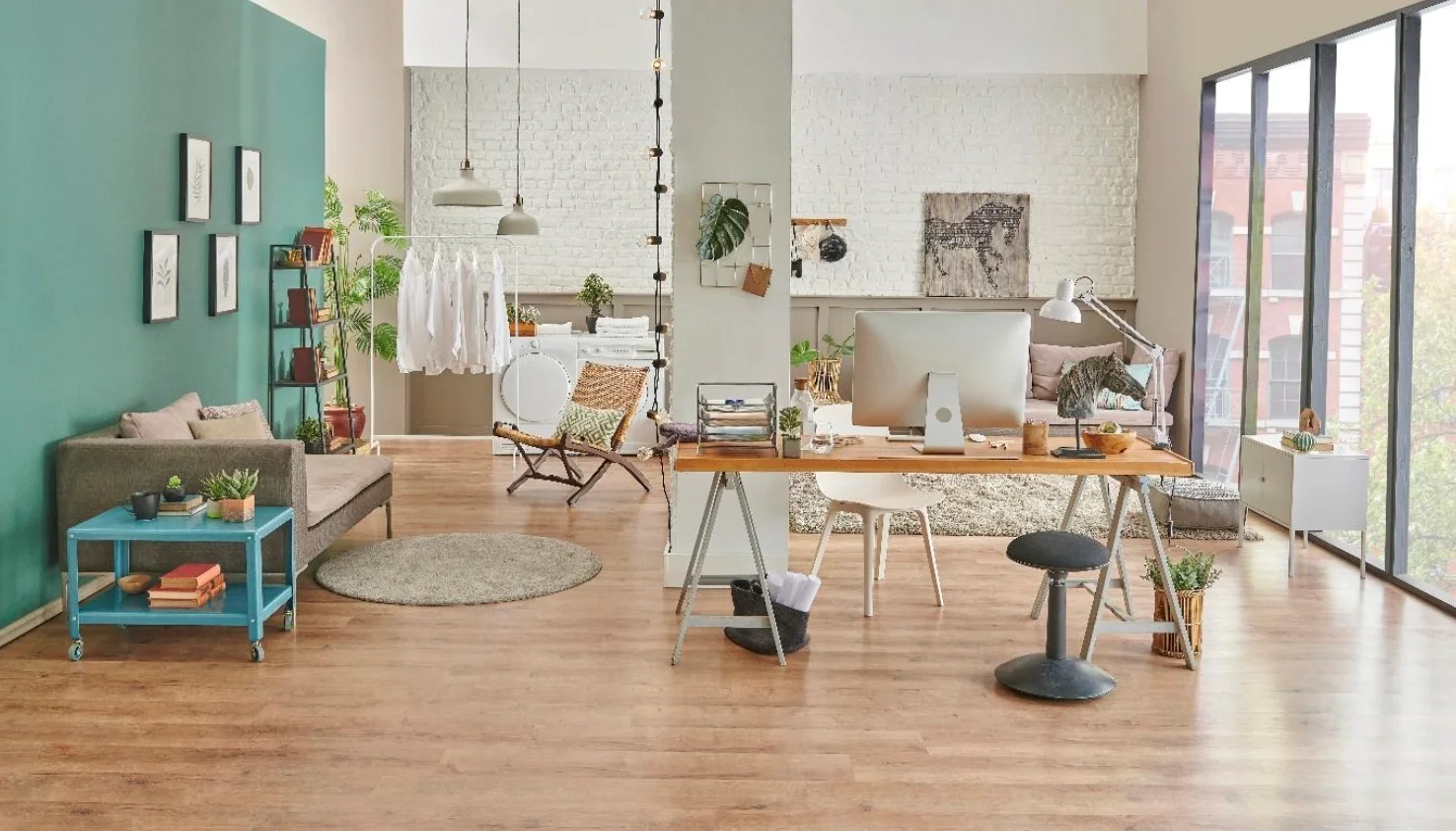
There is a particular kind of joy that comes from a room that works hard and looks beautiful. A space that has a place for everything, where nothing feels cluttered, and yet still feels unmistakably yours. It sounds like a tall order, but the truth is that functionality and character are not at odds with one another. In fact, the most memorable rooms tend to be the ones where both coexist beautifully.
Why Functional Spaces Often Lose Their Warmth
When people set out to organise a room, the instinct is often to strip everything back. Tidy shelves, clear surfaces, matching containers. The result can feel more like a showroom than a home.
The mistake is treating function and aesthetics as separate projects. Storage gets sorted first, then decoration is tacked on as an afterthought, and nothing quite hangs together. The rooms that manage to feel both ordered and characterful are the ones where both concerns are considered together, right from the start.
Start With What the Room Needs to Do
Before thinking about how a space will look, it helps to think honestly about how it will be used. Ask yourself:
- What activities happen in this room every day?
- What tends to cause the most visual clutter?
- What do you reach for most often, and where would it make most sense to keep it?
A well-used kitchen, for example, needs accessible worktop space and logical groupings of tools. A home office needs clear zones for focused work and easy access to stationery and files. A workshop or hobby room needs storage that keeps things visible and retrievable without everything ending up in a heap.
Once you know what the room needs to do, you can start selecting storage and furniture with real purpose behind the choices.
Let Storage Be Part of the Décor
One of the easiest ways to keep character alive in a functional space is to treat storage as a design element in its own right. Open shelving styled with books, plants, ceramics, and a few practical items immediately blurs the line between display and utility. Wicker baskets, wooden crates, and linen-covered boxes are all wonderfully useful and look lovely at the same time.
In workshops and utility spaces, the same principle applies. Rather than hiding everything away in mismatched containers, investing in quality tool storage that has a clean, considered look transforms the feel of the whole space. When tools are stored neatly and accessibly, the room feels purposeful rather than chaotic, and there is something genuinely satisfying about a well-organised workspace.
Use Colour to Bring Warmth to Practical Spaces
Colour is one of the most powerful tools for injecting personality into a room, and it works just as well in functional spaces as in decorative ones. A utility room painted in a deep sage green feels far more inviting than one left in a default white. A workshop with warm terracotta walls and well-ordered storage has a character all of its own.
If full wall colour feels like a big commitment, start smaller. Paint the inside of shelving units, add a colourful splashback, or choose storage accessories in a palette that reflects your taste. Even small pops of colour can transform how a room feels.
Think About Texture and Materials
Texture plays an enormous role in whether a room feels alive or flat. Mixing materials, even in a largely functional space, adds depth and interest. Think about combining smooth painted surfaces with raw wood, or metal shelving with soft fabric storage. In a kitchen, the contrast between polished worktops and a rough linen blind introduces just enough visual tension to make things interesting.
The key is not to overthink it. A few thoughtful material choices go a long way, and you do not need to invest heavily to see a real difference.
Personalise the Details
It is often the details that make a space feel truly personal. In a home office or workspace, this might mean framing a favourite print and hanging it at eye level near your desk. In a kitchen, it could be a collection of vintage tins used to store dry goods. In a bedroom that doubles as a reading nook, a thoughtfully styled bedside arrangement can make even a small, functional corner feel like somewhere you genuinely want to be.
If you are working on a bedroom that needs to earn its keep, it is worth taking inspiration from approaches like those covered in our guide to creating a restful and characterful bedroom, where small styling decisions are shown to make a big difference to how a room feels overall.
Do Not Overcrowd the Space
There is a difference between a room that is full of character and one that is simply full. Edited spaces, where every object earns its place, tend to feel more generous and considered. When you are tempted to add one more decorative item, it is worth asking whether it adds something the room is currently missing, or whether it would simply add noise.
A useful approach is to think in layers. Begin with the practical essentials and get those working well. Then add a single layer of texture, such as a rug, a throw, or a piece of artwork. Finally, introduce a few personal items that genuinely mean something to you. By building up in stages rather than filling a room all at once, it is much easier to maintain both function and feeling.
Lighting Makes Everything Better
It would be hard to overstate the effect that good lighting has on any space. A functional room lit only by a single overhead bulb will always feel stark, no matter how thoughtfully it has been styled. Layering light, with a mix of ambient, task, and accent sources, immediately makes a room feel warmer and more inviting.
In a workshop or utility space, task lighting is essential for practical reasons, but adding a warmer lamp or some carefully placed LED strips can make the room feel considerably more pleasant to spend time in. In living and sleeping spaces, dimmable lights give you the flexibility to shift the mood depending on what the room needs to do at any given moment.

Karen Altizer is a seasoned professional with a wealth of experience, skilled at crafting compelling narratives and strategic messages for diverse audiences.
Appreciate the detail here. It’s obvious you put thought into making this accessible without oversimplifying. Bookmarked.
https://www.facebook.com/mzplay.my/