
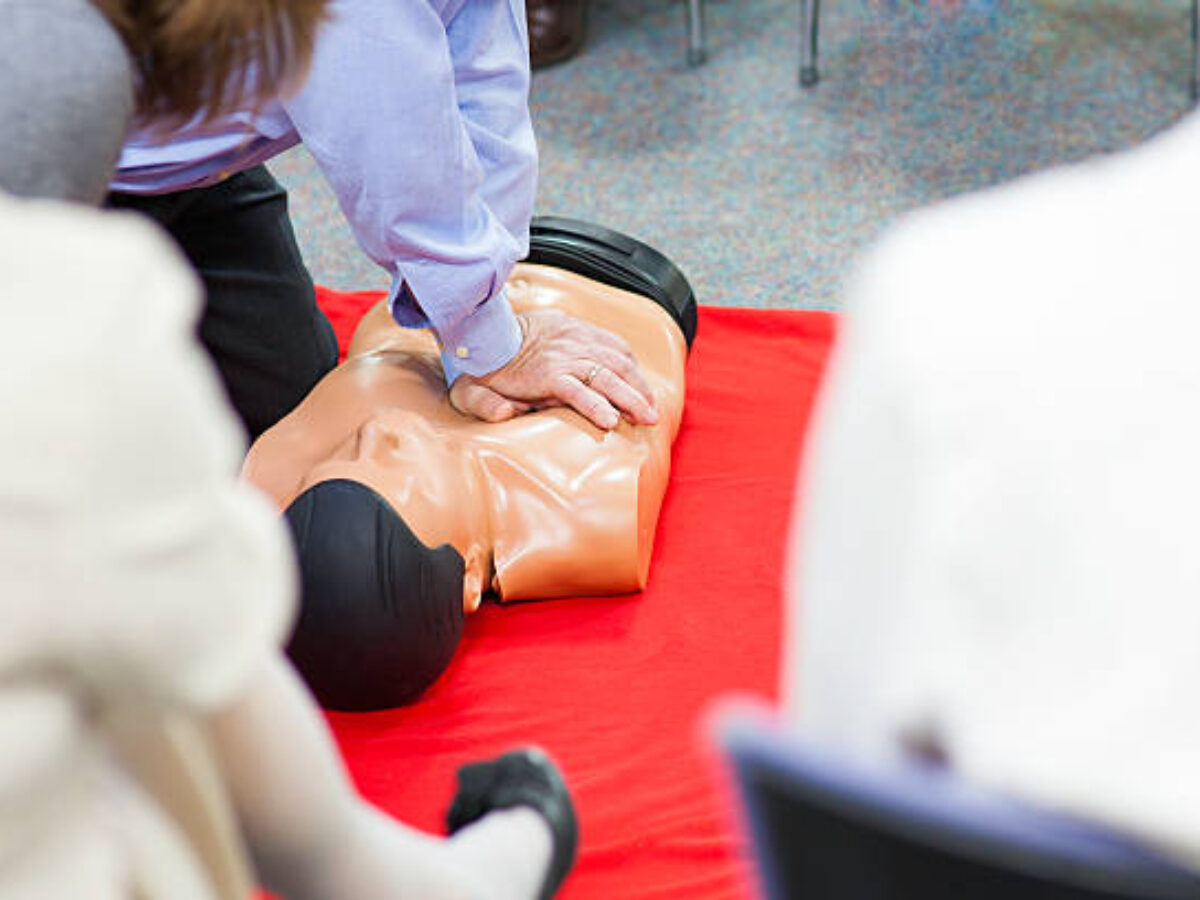
First aid knowledge has always been an important life skill, but today’s fast-changing environments make continuous learning even more valuable. Emergencies can happen anywhere, whether at work, at home, during travel, or in public spaces. As workplaces evolve, technology advances, and communities grow, the need for updated first aid knowledge becomes more important than ever. Ongoing training helps individuals stay prepared, confident, and capable of responding effectively during unexpected situations.
Adapting to Modern Workplace Challenges
Modern workplaces are very different from those of the past. Many industries now involve advanced machinery, fast-paced operations, and larger teams working together. These changes create new safety risks that require updated emergency response skills. Employees who regularly refresh their knowledge are better prepared to act quickly and responsibly during accidents or medical emergencies.
Businesses are also placing greater importance on safety standards and employee well-being. Regular participation in programs such as Bundaberg first aid training helps workers understand current safety procedures while improving their ability to manage emergency situations calmly. Continuous learning ensures that individuals do not rely on outdated methods when every second matters.
Building Confidence Through Regular Practice
One of the biggest benefits of continuous first aid education is the confidence it creates. Skills that are not practised regularly can fade over time. People may forget the correct steps for CPR, wound care, or emergency response procedures if they do not revisit them frequently.
Practical training sessions allow participants to refresh their memory and improve reaction times. Repeated learning also reduces panic during stressful moments because individuals become more familiar with handling emergencies. A person who has completed a Bundaberg first aid course recently is often more confident and prepared than someone who completed training years ago without further practice.
Responding to Changing Community Needs
Communities continue to grow and change, bringing new challenges for public safety and healthcare awareness. Events, sporting activities, schools, and public gatherings all benefit from having people nearby with updated first aid knowledge. Emergencies in crowded environments require fast thinking and effective communication.
Continuous learning allows people to understand modern emergency response expectations and current medical recommendations. Health organisations regularly update CPR guidelines and first aid practices based on new research. Keeping skills current ensures that people can provide the most effective support possible before professional medical help arrives.
Technology and First Aid Education
Technology has changed the way people learn and practice emergency response skills. Interactive training tools, digital simulations, and blended learning environments now make education more accessible and engaging. Individuals can combine online learning with practical sessions to improve understanding and retention.
This flexibility encourages more people to continue learning throughout their lives rather than treating first aid as a one-time certification. Programs like a first aid and CPR course Bundaberg help participants stay connected with updated methods while fitting training into busy schedules. The ability to access modern learning tools increases awareness and strengthens emergency preparedness across different age groups and industries.
Encouraging Responsibility in Everyday Life
Continuous first aid learning also encourages a stronger sense of responsibility within communities. People who maintain their skills are often more willing to assist others during emergencies. Their knowledge can provide reassurance in situations where immediate action is required before medical professionals arrive.
Parents, teachers, coaches, office workers, and community volunteers all benefit from ongoing education. The ability to respond confidently during accidents or health emergencies can make a meaningful difference in protecting lives and reducing the severity of injuries.
Conclusion
Changing environments require people to stay adaptable and prepared for unexpected situations. Continuous first aid learning helps individuals maintain confidence, improve emergency response skills, and stay informed about updated safety practices. Whether in workplaces, schools, sporting environments, or everyday public settings, ongoing education plays an important role in creating safer communities. By regularly refreshing their knowledge, people become better equipped to respond effectively when emergencies occur and provide valuable support when it matters most.

This collection brings different butt plug products together in one place, making it convenient to explore available choices. I liked the variety of options when comparing designs and checking product information before buying.
Premium Pinball,
Arcade & Foosball Machines Canada🚚
Tiny PomChi Puppies Ready for Loving Homes
╬ Home-Raised Parrots. Lifelong Companions🪶 ╬
Really helpful post. I was looking for exactly this kind of breakdown, and it delivered. I keep a small collection of reference links for projects I follow, and this is going in there.
Appreciate the write-up. It’s not easy to cover a topic this clearly without going too deep, and you struck a good balance. I’ve added it to my reference folder.
Appreciate the write-up – the structure made it easy to follow. One more reference on the topic worth keeping: https://sites.google.com/view/meta88myapp