
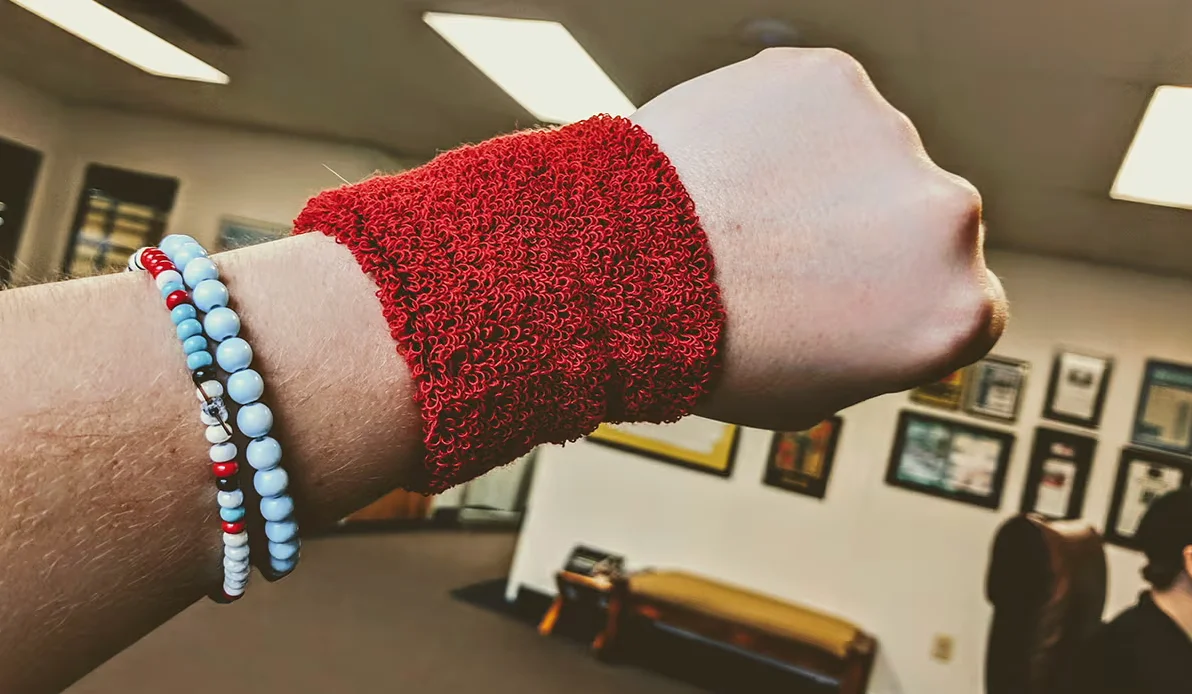
Sports are all about details. One of these, however, is more significant than you would think: sweat management. Sweat is a major factor in an athlete’s focus and effective performance whether it be staying in control, keeping eye- or eyeballs-on target, or even just feeling comfortable during rigorous activity.
A combination of factors that make a sports headband one of the simplest yet timeless solutions to this problem. From a purely functional piece of gear, it has steadily transformed into something much more the history of athletic identity, cultural expression and even fashion. The history of headbands makes it possible for any performance gear to outgrow its practical functionality and take on larger roles in culture, style, and trends in the athletic universe.
Sweat Management System in Ancient Sports
Athletes had to stick to primitive ways of mitigating sweat before modern sportswear. Sports such as tennis and running which were hardly represented with nowadays shirts, players would just wipe off sweat using simple cotton cloth or towels in between games during breaks back in the early 20th century. Well these are all either temporary or pathetic solutions.
However, as sports evolved to become more demanding physically and therefore competitive, it became clear that keeping sweat at bay was imperative throughout play. Sweatbands—usually of thick cotton—were appearing as functional tools. As the athlete wore these devices on their head or wrists, they would enable a hands-free experience to wipe away moisture and stay more in the moment.
But these first designs came with certain drawbacks. Cotton, on the other hand, absorbs moisture excellently, but saturated often becomes heavy and unpleasant. It was not breathable and the prolonged use would be so difficult to improve performance rather than improving it. However, these innovations would be the precursors to what was coming.
Sweatband Trends in the 70s/80s
Sweatbands turned a corner in the 1970s and 1980s. And television changed the landscape of sport, and athletes became more than just competitors they became global superstars. Accessories such as sweatbands that came to the forefront after making their way into suits, sportspersons and certain personalities who established this trend.
It was in tennis that champions such as Björn Borg and John McEnroe gave the headband both a functional and stylistic comeback. A wristband, a headband, and they became part of the on-court look too as it will be a player’s signature sportswear.
Fans started replicating their favorite players, and sweatbands spread into gyms, schools, and even casual sports venues. It was officially a part of mainstream sports culture.
Transition from Function to Style
As a result, sports culture did the same with athletic gear; it became more of an aesthetic. By this time, sweatbands had started to include vibrant colors and even designs that were matched with team uniforms. They stopped being purely sweat soak-ers and became an element of a larger visual brand.
With time teams began to use matching things, accessories and so on, becoming a symbol of togetherness. Sweatbands became their own representation of energy and movement and style in fitness culture, particularly during the aerobics boom of the 1980s. The colors were bright and neon, the clothes not already worn coordinated as another reflection of a larger cultural move in the direction of expressive sportswear.
The transition illustrates an important development: functionality could not be considered apart from fashion anymore. Athletes and fitness fans looked for performance but they also looked for individuality or team representation.
Technological Advancements in Materials
Sweatbands have also evolved during the years together with textile technology. As time went on, manufacturers transitioned away from cotton and focused on layered-and-synthetic material made for sportswear.
Many modern sweatbands include moisture-wicking materials that pull the sweat off of your skin allowing it to evaporate more quickly. These fabrics are lighter, more breathable and longer-lasting than the old ones. They feel comfortable even after long hours of use and some demanding sports.
Its elasticity and fit have improved a lot too. Modern designs also make sure that sweatbands fit comfortably and stay where you wear it. This illustrates how even the most innocuous of accessories can benefit from scientific and material improvements.
Wearing Sweatbands Now In The World Of Sports And Fitness
Sweatbands remain one of the most widely used accessories in sports. From the basketball court and running track, the gym to the CrossFit system they still serve a utilitarian purpose.
What has changed is how accessible and versatile they are. Vibrant sweatbands were once reserved for athletes but now they are heard, dressed and seen by anyone. Often used by amateur athletes, players in school systems, and local league sports teams. Similarly, while they may not be as impactful to a team identity per se, coordinated accessories can contribute to the feeling of belongingness and cohesion among teams.
USportsGear and similar companies have fueled the industry demand for custom sports-related items, providing teams & organizations a way to express sportswear function with flair crafted to their specific needs.
Bringing Back Sports Accessories: The Cultural Comeback of Retro
Retro sports fashion has recently made a statement in the world of modern style. Weirdly, sweatbands have returned this time with some relevance to both sport and lifestyle (after mostly being held in the ’70s-’90s).
The revival of retro aesthetics and social media trends that have inspired the younger generation to dig the nostalgic charm of classic sports accessories. Sweatbands are usually spotted inside the gym in recent times as additionally on the streets and athleisure outfits.
However, this revival is part of a wider trend: one that merges our past and present. They also combine the retro look with performance-based function and materials to provide modern-day relevance in necessary sweatbands for both athletes and fashionistas alike.
Why Sweatbands Still Matter Today
Even with the state of sports tech, sweatbands have not lost their steam. Then again, managing sweat is still a critical component of many sports contexts.
Sweatbands prevent sweat from getting in the way of vision or grip, helping athletes to remain focused and consistent. They give an amount of comfort which can distract you while training or when competing.
Besides physical benefits, we have the psychology factor. Wearing comfortable and trustworthy gear can instill confidence and preparedness. To some athletes, sweatbands are a component of an overall regimen that benefits both performance and mentality.
Final Thoughts
The History of Sweatbands: The humble sweatband has come a long way At a glance, an improvised bandage cloth may seem a thousand miles away from high-tech, fashionable sweatbands today but it is easy to see how the development of clothing highlights the evolution of athletic requirements and sports culture.
Today, they’re about more than a practical fix for perspiration; they’re at the nexus of function, identity and style. While sports and fitness are always evolving, sweatbands hold a place in the pantheon of athletic gear as a small but integral part of the shirt-wearing machine we call sports because sometimes innovation starts at ground zero.

Karen Altizer is a seasoned professional with a wealth of experience, skilled at crafting compelling narratives and strategic messages for diverse audiences.
What an intriguing exploration of sweatbands! I never realized how much they evolved in both function and fashion. How do you think modern athletes perceive their significance today? Also, does the transition to eggy car style over utility impact performance?
Nice work on this one. I’d been looking for this kind of breakdown; mzplay has been a useful reference for me too: https://mzplay.my
Thanks for this, really clear and helpful. I’ve been looking for a solid write-up like this for a while, and the way you explained it makes it easy to follow. Bookmarked for later.
Thanks for this one. I’ve saved it for later because I know I’ll want to refer back to it — the kind of post that actually answers the questions people ask.
Thanks for this one. I’ve saved it for later because I know I’ll want to refer back to it — the kind of post that actually answers the questions people ask.
Thanks for this one. I’ve saved it for later because I know I’ll want to refer back to it — the kind of post that actually answers the questions people ask.
It’s incredible how something so practical evolved into a fashion statement reminds me of my high school basketball days when we rocked them for style spider solitaire free too. I never thought I’d see the day they’d be fashionable beyond sports!
This was a helpful read. Most posts on this subject just skim the surface. Looking forward to the next one.