
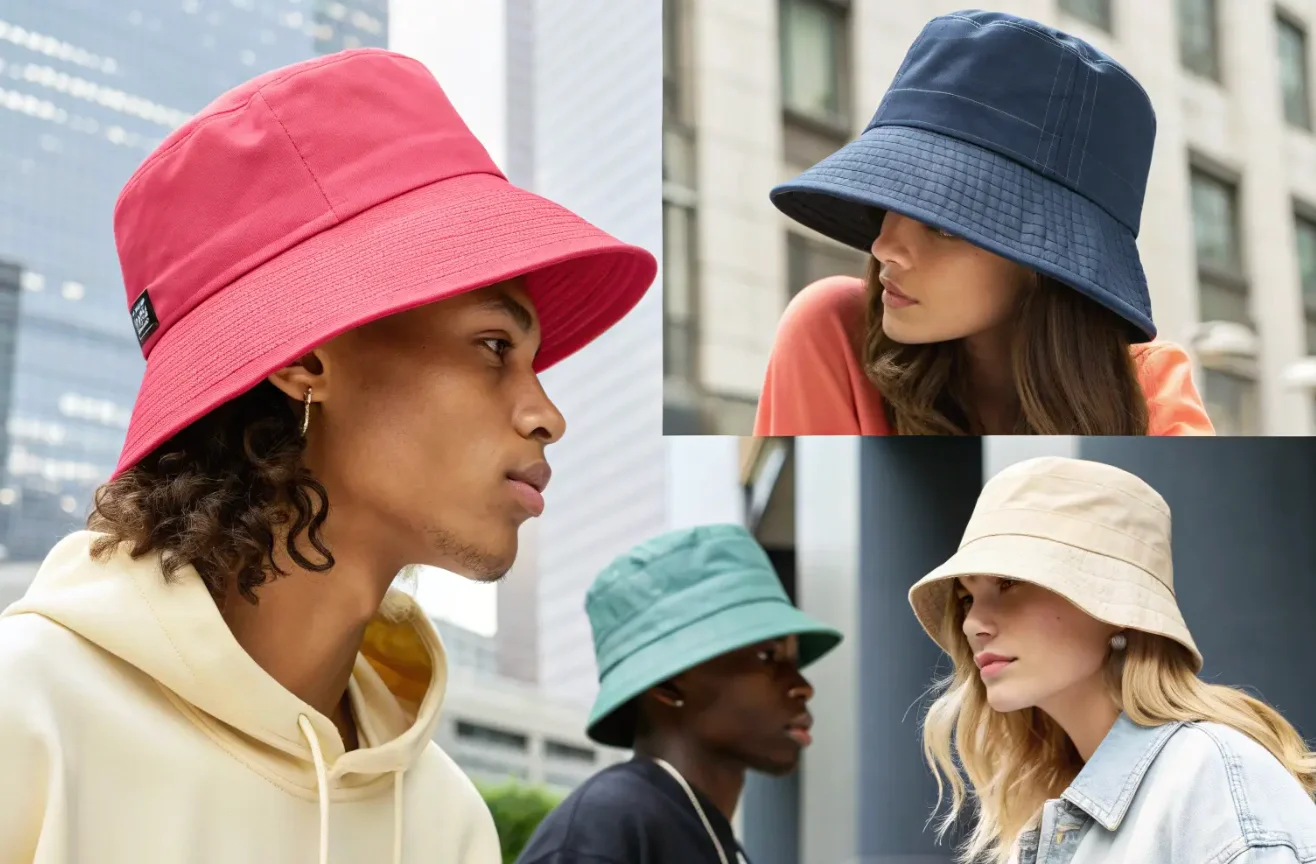
The bucket hat is among the few accessories that has undergone a dramatic transformation in the fast-paced world of fashion. It started as a simple piece of functional headwear and has now morphed into arguably the emblem in festival culture worldwide. From massive music festivals to cozy outdoor hangouts, the bucket hat has since evolved into an effortless hybrid of function, identity, and hip. The rise of this trend is reminiscent of fashion evolving alongside cultural changes, even when they are grounded in functionality.
This Post Looks At The Functional Origins Behind A Cultural Icon
The bucket hat was never meant to be trendy. This product originated with outdoor workers from the early 20th century fishermen and farmers who required reliable protection from changeable weather. Made from materials with a cotton or wool blend, the brim of the hat slanting downwards actually wards off rain and sun nicely.
It had an extremely simple but also practical design. It was light, easy to fold and stow in your pocket when not needed. With these qualities, it became essential for anyone who spent long hours outdoors. By then, the bucket hat was strictly functional—more value than form.
From Workwear to Cultural Expression
It shifted from utility to cultural relevance in the late 20th century. In the 1980s and 1990s, bucket hats were embraced by new generational styles, including aspects of hip-hop culture and streetwear. Advertising In all its practicality, the hat has also become a favourite of artists and creatives for its simple, versatile look.
It was also a watershed point in time. The bucket hat became a symbol of self-identity and free thought. No longer merely utilitarian protection, it became an understated way of stating who I was. With the world of music and fashion easily intermingled, it became a more visible piece of symbolism in many communities.
The Rise of Festival Culture
Music festivals have been globalized, bringing the bucket hat to where it is today. Festivals are interesting little bubbles of experience where practicality meets self-expression. Since outdoor events often involve hours of standing and walking in the sun, heat or worse weather conditions. This is where functional apparel is key.
Festivals are, of course, also places to experiment with dressing like the creator that you are. Fashion is how people feel free to express their identity or even align themselves with certain subcultures, or simply get noticed in a crowd. The bucket hat is very much at home in this milieu. It protects against the weather, but also acts as a discernible accessory.
Its small, simple construction makes it a great option for festival attendees who value portability. It is light and very easy to be packed versus bulkier hats, which helps reinforce its practicality in the dynamic environments.
A Canvas for Personal Expression
A major factor in the reviving craze of the bucket hat is its ability to be an expression medium. Personalization has been a hot topic in modern-day fashion. Consumers should take generic designs no longer and want items that showcase their personality, interests or affiliation.
For this, bucket hats offer a working ground. They can be made into one-of-a-kind garments with unique stories using color, pattern, embroidery and patchwork variations. Whether it is a showing of collective identity, a memento from an occasion, or simply one man’s aesthetic choices, these hats give people a way to speak without uttering a single word.
This move towards customization fits in with wider trends within fashion, where individuality and authenticity are such desirable traits. It gives one very good reasons, useful reasons for adults to suspend disbelief when looking at personalized memes.
The Influence of Social Media
Digitalization has made certain fashion moments a lot more noticeable, and one infamous style, the bucket hat fits this bill well. With platforms like Instagram and TikTok likely fueling the festival experience to be very visual, outfits are styled not only for our own fun but the world to see.
Untapped trends and eye-catching, non-genetic accessories fit easily into this landscape. The bucket hat has a distinctive silhouette that can be applied to products in many different designs which also makes it especially applicable for storytelling visually. It is bold enough to be eye-catching in photos but not so overwhelming that it draws the wearer back into the background of their outfits, which makes it a beloved accessory by content creators and casual users alike.
Festival fashion is trending all over the world and quickly catches on everywhere so this also helps keep the bucket hat alive in many countries/subcultures.
Comfort and Versatility Across Contexts
The bucket hat is appealing as another reason why. Different from most fashion staples tied to specific occasions or styles it is versatile enough for all kinds of looks. It falls easily from casual streetwear to slightly more experimental festival wear.
It is its comfort also that plays an important role in this. This fabric is breathable and made of 100% cotton which makes it perfect for wearing over a long period in hot temperatures. Simultaneously, the design provides adequate coverage to protect from direct sunlight.
More crucially, the bucket hat is a primarily unisex and universal style across age groups. This inclusion expands its reach beyond the conventional definition of fashion.
Nostalgia and the Return of Old
Fashion returns as it writes in a cyclical narrative. With the revival of 90s and early aught aesthetic, a lot of trends from the past have resurfaced, including bucket hats.
On others, it recalls a kind of nostalgia with wearing a bucket hat. For others, particularly Gen Z, it is a new spin on old-school style. The combination of these two appeals provides a solid foundation within modern fashion; bridging eras, both past and present.
The retro revival isn’t just about copying old designs as much as translating them with modern good taste and technology. This way, the hat has a metamorphosis yet also refrains from changing too much in essences.
Craftsmanship and Modern Adaptation
Although the approach of highlighting nowadays is straightforward, going on to a compilation of timeless patterns and also designs, the current advancements in manufacturing procedures as well as materials have actually catalysed an enhancement. Today, a multitude of fabrics, finishes and construction styles exist for it across the realms of tradition and innovation.
It also emphasises the value of craftsmanship in an ever-evolving environment. Although we are now living in the age of mass production, fine craftsmanship, stitching quality or the type of fabric used can strongly alter how we view an item.
Sometimes, they serve not merely a style purpose but also branding and storytelling through consciously crafted bucket hats. An iconic headwear brand that specializes in customized creations 4inbandana showcase how old designs can be miraculously redesigned to meet the modern demand for personalization and identity-driven fashion.
Final Thoughts
How the once-workwear-associated bucket hat has become a global festival staple is a perfect object lesson in fashion’s constant evolution. Much of its success can be attributed to the fact that it balances between apparent opposites: simple&complex, traditional&modern, functional&aesthetic.
When a plain old bucket hat is no longer just a trend, but an indication of the garments blending practical and functional regard. It shields, it articulates and binds us to collective movements and experiences.
With festival culture thriving and the fashion world more about authenticity than ever, the bucket hat is not going anywhere soon; subtle in its simplicity but making a long-lasting impact.

Karen Altizer is a seasoned professional with a wealth of experience, skilled at crafting compelling narratives and strategic messages for diverse audiences.
Great read! It’s interesting how bucket hats evolved from festival essentials into a versatile fashion piece.
Solid write-up, thanks for sharing. It’s rare to find content this well organized on the subject, and I found a few things here that I hadn’t considered before.
Very useful read. I wasn’t expecting such a thorough breakdown, and the examples helped a lot. Thanks for taking the time to put this together.
Very useful read. I wasn’t expecting such a thorough breakdown, and the examples helped a lot. Thanks for taking the time to put this together.
Very useful read. I wasn’t expecting such a thorough breakdown, and the examples helped a lot. Thanks for taking the time to put this together.
Really clear post, appreciate the detail. I’ve been collecting related reads on this and this one fits well: https://plaza.rakuten.co.jp/mzplaymy/diary/202609200003/