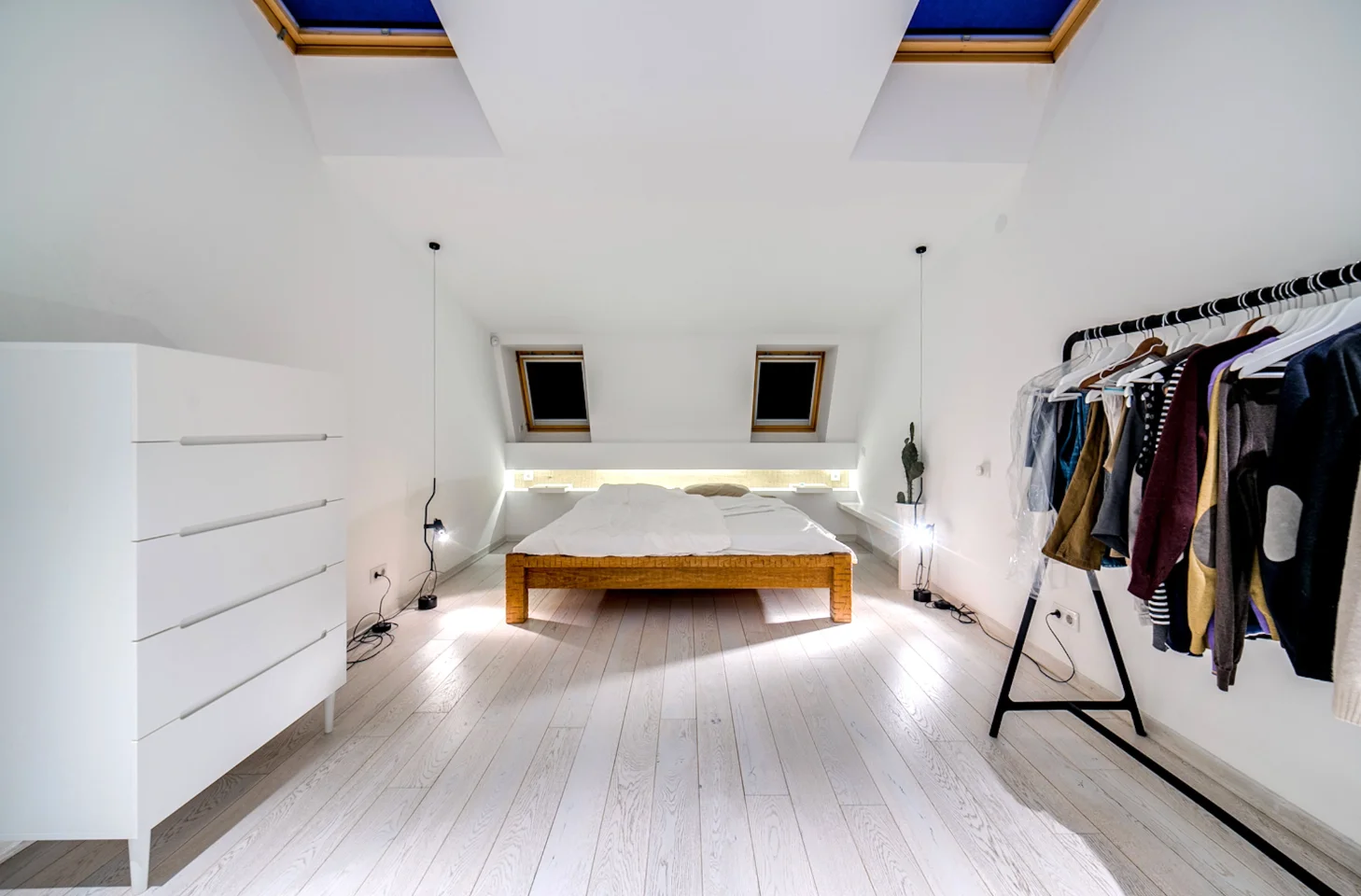
Whether it’s your year-round home or your holiday apartment that you’re looking to spend more time at, a well-chosen skylight can completely change how a room feels and performs across the year. To find the best option though, you’ll need to weigh up roof type, daylight need, ventilation and how your home handles heat.
Start With The Room, Not The Product
Before you compare skylights, think about the room you’re trying to improve. A dark hallway needs a different answer from a humid kitchen, which is totally different again from a loft room under a sloping roof. The first question is simple: do you just need light, or do you also need ventilation? Fixed models can be easier solutions where the main issue is gloom, whereas an opening roof skylight makes more sense where warm air gathers, steam builds up or the room needs fresh air during summer.
Match The Skylight To The Roof
Roof shape will narrow your choice quickly. Flat roofs usually suit low-profile glass units, lanterns or domes, depending on the look you want and the structure below. Flat Glass Skylights are often people’s first choice for kitchen extensions because the slim frame keeps the finish clean, while bringing light deep into the room where, for practical reasons, light is probably most important.
For angled roofs, a pitched roof skylight is the natural fit. They bring daylight into loft conversions and stairwells without forcing the design to fight the building. On older properties, the key is proportion. A rooflight that looks elegant on a rear extension may feel too dominant on a smaller front slope.
Think About Heat As Well As Light
More daylight can reduce daytime use of artificial lighting, but glass also affects heat. The UK Government’s Future Homes and Buildings Standards work is built around better energy performance, thermal comfort and ventilation, with new buildings expected to meet higher efficiency expectations as the grid decarbonises.
Before you commit, look at U-values, glazing layers, frame construction and solar-control options. Skyseal has double or triple glazing across its range, as well as options for thermal efficiency and durable frames: all useful markers when comparing specifications. A cheaper unit that’ll both lose warmth in winter and admit too much heat in summer can very quickly lose you the savings you thought you’d made in buying it.
Plan For Summer Comfort
Choosing the right skylight is also about avoiding unwanted heat, which is no longer a problem limited to your holiday home in the South of France. A 2025 Guardian report on UK overheating said the share of homes reporting summer overheating rose from just 18% in 2011, to a huge 80% in 2022. Thinking that might signal more of a rise in moaning than in global temperatures? Well, people clearly considered it a big enough issue that the use of air-conditioning rose sevenfold to 21% of homes. That certainly supports a careful approach to roof glazing in south-facing rooms and lofts.
An opening unit can help warm air escape, especially at high level. Blinds or solar-control glazing can reduce glare and heat gain. Don’t underestimate the power of position over size, either: a small, well-placed rooflight can do more for comfort than an oversized pane that floods the room at the wrong time of day.
Choose Your Solution: Fixed, Opening Or Bespoke?
Fixed skylights are usually the cleanest choice for simple daylight projects. They suit landings and dining areas where ventilation already comes from doors or vertical windows. Opening models cost more, but they give you control. In kitchens, bathrooms, loft rooms and utility spaces, that control can be worth the added spend because warm, moist air rises. Powered opening can also help where the unit sits beyond easy reach. If the roof opening is unusual, a bespoke skylight may save awkward compromises, particularly where steelwork or ceiling joists limit standard sizes.
Respect The Character Of The Property
The right rooflight should improve the property without shouting over it. On a modern rear extension, a large flat-glass unit can look crisp and intentional. On a cottage, terrace or conservation-sensitive home, smaller panes and careful sightlines may be safer choices.
Whether you’re keeping close to your roots or heading to sunnier climes, affordable property choices are about looking beyond headline cost and judging layout and long-term value. A rooflight should suit the property you own, the room you use and the value you hope to protect.
Check Practical Details Before Ordering
Measure the roof build-up, not only the ceiling opening. Flat-roof products need the correct upstand, while pitched-roof products need the right pitch range, flashing approach and weathering detail. Drainage, access for installation and internal finishing will all affect the final result.
Also check planning constraints. Many rooflights fall under permitted development, but listed buildings, conservation areas and front-facing roof slopes can require extra care. Building Regulations will still apply, particularly around structure, safety glass, insulation and ventilation.
Make A Choice That Feels Obvious
Consider your room, roof, daylight and comfort needs carefully and the right skylight will make itself obvious to you. Fixed glass is best when daylight is the aim. Opening glass earns its place where airflow and temperature control are part of the problem. Pitched roofs need products designed for their angle, while flat roofs reward clean lines and careful solar control.
The strongest result is rarely the biggest pane or the cheapest unit. It’s the one that brightens the room, suits the roof, manages heat and looks as though it always belonged there.

Karen Altizer is a seasoned professional with a wealth of experience, skilled at crafting compelling narratives and strategic messages for diverse audiences.
Great info. Lucy mee I discovvered your
sige bby aaccident (stumbleupon). I hawve saved ass a favorite for later!
xnxx
Well explained. I found myself nodding along because it matches what I’ve seen in practice. Keep up the good work.