
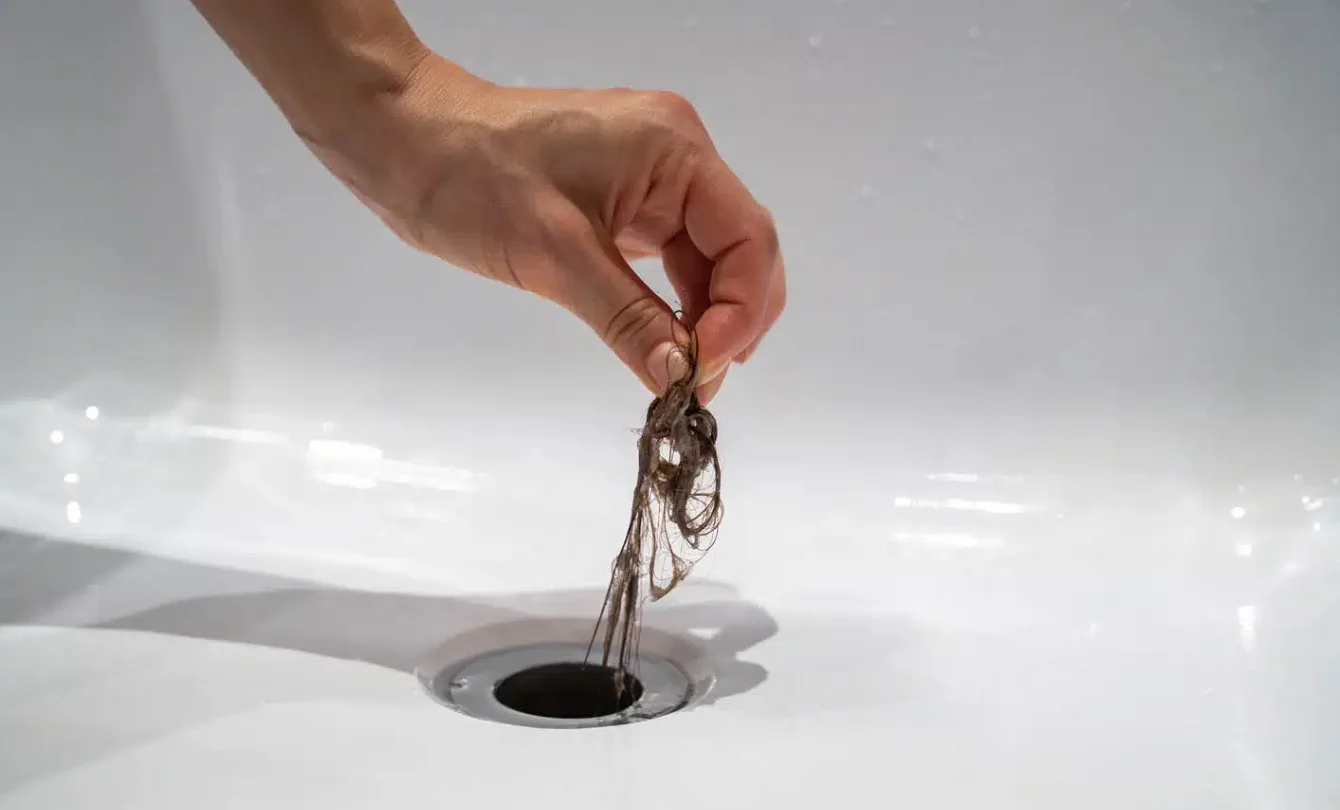
A slow drain does not always come with a bad smell, overflowing water, or an obvious blockage. In many homes, the first warning sign is much quieter. The sink takes longer to empty. The shower water sits around your feet for a few extra seconds. The laundry trough drains, but not as quickly as it used to. Because there is no strong smell or visible backup, many homeowners assume the drain is fine. But a drain can be partly blocked long before it smells bad. This early stage is often when the problem is easiest to deal with, before it turns into a full blockage, wastewater backup, or emergency callout.
Understanding why a drain can smell fine but still drain slowly can help you act early and avoid bigger plumbing problems later.
Why a Drain Can Be Slow Without Smelling Bad
A bad smell usually appears when waste, food, grease, hair, soap scum, or stagnant water has built up enough to create bacteria and odour. Slow drainage can happen before that stage.
In many cases, the pipe is not completely blocked. Water still gets through, but the available space inside the pipe has started to narrow. This may be caused by grease coating the pipe wall, hair catching on rough areas, soap residue building up, tree roots entering further down the line, or sediment sitting in the pipe.
Because water is still moving, the drain may not smell yet. But the flow is no longer normal. That delay is often the first sign that something is beginning to form inside the pipe.
The Problem You Cannot See From Above
When you look at a sink, shower, or floor waste, you only see the opening. The real issue may be deeper inside the drain line. A pipe can have a partial blockage that is not visible from the surface.
This is why slow drainage can be misleading. The drain may look clean. The water may eventually disappear. There may be no smell at all. But inside the pipe, waste may be catching in one area and slowly growing.
A small buildup can also create a rough surface where more debris sticks. Over time, this can turn a minor restriction into a complete blockage. By the time water starts backing up, the issue may already be much harder to clear.
Common Causes of Slow Drains With No Smell
Different areas of the home can slow down for different reasons. In bathrooms, hair, soap, shaving residue, and toothpaste can collect inside pipes. In kitchens, grease, oils, food scraps, coffee grounds, and detergent residue can build up gradually.
Laundry drains may collect lint, dirt, pet hair, and detergent sludge. Outdoor drains may slow because of leaves, soil, roots, or stormwater debris.
In some Adelaide homes, older pipes can also contribute to the problem. Rough pipe surfaces, minor cracks, ground movement, and tree root entry can all make it easier for waste to catch. A slow drain may not always be caused by what went down it recently. It can also be a sign of a deeper drainage issue that has been developing for months.
Why Store-Bought Drain Cleaners May Not Solve It
When a drain is slow but not smelly, it is tempting to pour in a chemical cleaner and hope the issue disappears. Sometimes this may temporarily improve the flow, especially if the blockage is close to the surface. But it does not always remove the actual cause.
If the problem is grease further down the line, tree roots, pipe damage, or a larger buildup, chemical products may only create short-term movement. The drain may seem better for a few days or weeks, then slow again.
Harsh chemicals can also be risky for older pipework and may be unsafe if they sit in a blocked drain. If the drain continues to slow after basic cleaning, it is better to have it properly checked by expert blocked drain plumbers rather than repeatedly using chemicals.
Early Warning Signs to Watch For
Slow drainage is the main warning sign, but it is not the only one. You may also notice water pooling briefly before draining, bubbles appearing around the plug hole, gurgling sounds, or water rising slightly in a nearby fixture.
A shower drain that slows after a few minutes of use can suggest the pipe is not keeping up with normal flow. A kitchen sink that drains slowly after washing dishes may suggest grease buildup. A toilet that flushes but seems weaker than usual may also point to a developing blockage.
If more than one fixture is draining slowly, the issue may be further down the drain line. This is more serious than a single sink or shower problem because it can affect larger sections of the home’s plumbing.
When a Slow Drain Becomes a Bigger Problem
A partly blocked drain can become worse without much warning. One day it may drain slowly, and the next it may not drain at all. This often happens when extra waste catches on the existing buildup.
For example, a small grease restriction in a kitchen drain can trap food scraps. Hair caught in a bathroom drain can collect soap scum. Roots inside a sewer line can catch toilet paper and waste. Once the pipe becomes narrow enough, normal household use can push it into a full blockage.
This is why early action matters. A slow drain may seem like a small inconvenience, but it can be the beginning of a blocked drain problem that affects the whole household.
What a Plumber Will Usually Check
A blocked drain plumber will usually start by asking where the slow drainage is happening, how long it has been going on, and whether any other fixtures are affected. This helps identify whether the issue is likely local or deeper in the system.
Depending on the situation, the plumber may inspect the drain opening, test the flow, use professional drain-clearing equipment, or recommend a camera inspection. A camera inspection can show whether the pipe has buildup, roots, cracks, misalignment, or another hidden issue.
For blocked drains Adelaide homeowners are dealing with repeatedly, this step can be important. Clearing the drain without understanding why it slowed in the first place may not stop the problem from returning.
What You Can Do Before It Gets Worse
There are simple steps that can reduce the risk of slow drains becoming blocked drains. Avoid pouring grease or oil down the kitchen sink. Use drain strainers in showers and basins. Remove visible hair and debris regularly. Flush drains with hot water when suitable, especially after heavy kitchen use.
Be careful with what goes into toilets. Only toilet paper and human waste should be flushed. Wipes, hygiene products, paper towels, and cotton pads can catch inside pipes even if they appear to flush away.
Outdoor drains should also be kept clear of leaves, soil, and garden debris. Before heavy rain, check stormwater grates and visible drainage points so water has somewhere to go.
These steps can help, but they will not fix a hidden pipe problem. If a drain keeps slowing down, professional inspection is the safer option.
When to Call a Professional
You should call a plumber if the same drain keeps slowing, several drains are affected, water is gurgling, water is backing up, or the issue returns soon after cleaning. You should also act quickly if the slow drain is connected to a toilet, floor waste, or sewer line.
A slow drain without smell may not feel urgent, but it is still a warning sign. Getting it checked early can prevent wastewater backup, property damage, and more expensive repairs later.
A professional blocked drain plumber can identify whether the issue is minor buildup, deeper blockage, root intrusion, or pipe damage. Once the cause is clear, the right solution becomes easier to choose.
Conclusion
A drain does not need to smell bad to have a problem. Slow drainage can be one of the earliest signs of a partial blockage forming inside the pipe. Because the problem is often hidden, many homeowners ignore it until water starts backing up.
Pay attention to drains that are slower than usual, especially if the issue keeps returning or affects more than one area of the home. Early inspection and clearing can help prevent a small restriction from becoming a major blockage.
If your drain smells fine but still drains slowly, do not wait for the smell, overflow, or emergency. Have it checked before the blockage you cannot see becomes the plumbing problem you cannot ignore.

Karen Altizer is a seasoned professional with a wealth of experience, skilled at crafting compelling narratives and strategic messages for diverse audiences.
Nice work on this one. I found the structure especially useful, and the details are easy to check. I like to keep a few trusted references handy, and this post just joined the list.
https://www.instagram.com/1988richmy/
Really clear post, appreciate the detail. Noting mzplay here as well for anyone else researching this: https://x.com/1988richmy
Free japanese naked women video clipsStories of mature group sexWhat are sexy
things to wisperImages pubes vintageRussian big cuntErotic stories altMature group facialJapanese sex
scandalRegular dose of augmetin for adultAbsolutely amber nude pics xnxx Hentai divxVintage havana clothing ebay3d foot fetishFistfucking lesbianYour fucking your dadPornstar fourmsPenis enlargement videos
and pictures https://free.xnxxtubexxx.cc/ Sorority sex initiationAdult clips for iphoneGrils
with strap on sexFree latin dickFree adult vodcastGay bear mpegLingerie classics picsShemal femal porn xnxx Asian poonieFat
mature orgyWife suck off dadPapa smurf can i lick your buttWatch paris hilton fuck onlineHousemartins gayHot
young drunk sexSex hotel gambiaNaked secretary amateurIndian real sex movies40 breast c sizeThe issue of
gay marriage