
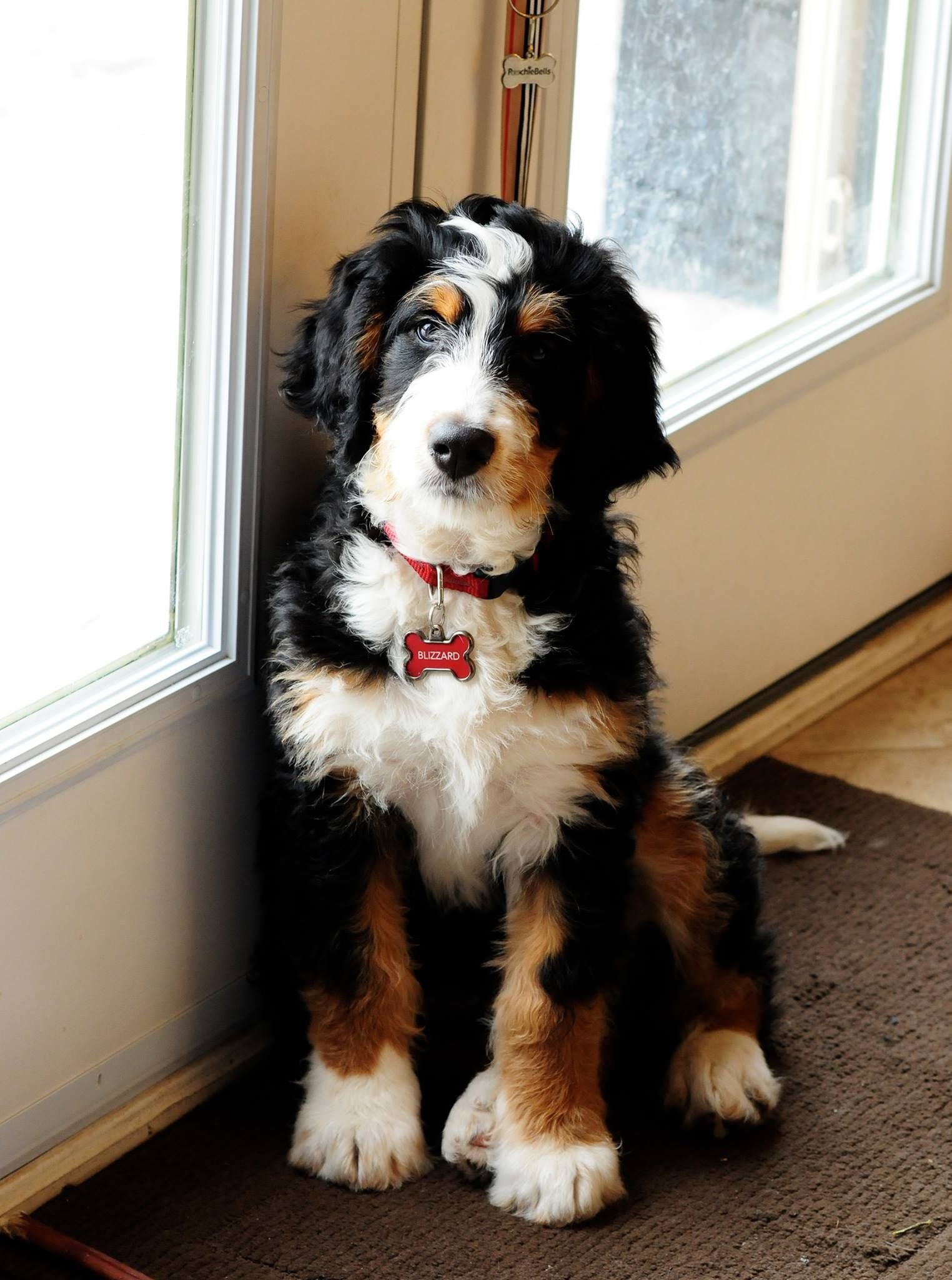
A Bernese Mountain Dog Golden Retriever mix brings together two large, people-oriented breeds known for their affectionate nature and close bond with families. Often called a Golden Mountain Dog, this cross can be gentle, sociable and strikingly attractive, but it is not a standardised pure breed. Puppies can inherit different sizes, coats and temperaments, so owners should prepare for variation rather than expect a guaranteed formula.
What is a Bernese Mountain Dog Golden Retriever mix?
The mix is a cross between a Bernese Mountain Dog and a Golden Retriever. Both parent breeds are generally friendly and people-focused, although their working histories and physical characteristics differ. The Bernese Mountain Dog is a sturdy Swiss farm breed with a thick tricolour coat, while the Golden Retriever was developed as a retrieving gundog and is known for its willingness to work with people. Their offspring may combine traits from both, but genetics does not distribute characteristics evenly.
Some dogs resemble a Golden Retriever with darker markings; others have the heavier body and tricolour pattern associated with the Bernese. Coat length, wave, density, colour and shedding can vary. The informal name Golden Mountain Dog is widely used by owners and breeders, but it does not mean the cross has a single recognised breed standard. Two puppies in the same litter can look and behave differently.
Size and appearance
This is usually a large crossbreed. One canine breed guide describes adult Golden Mountain Dogs at approximately 23 to 28 inches at the shoulder and around 70 to 120 pounds, although individual dogs can fall outside those ranges. The actual size will depend on the parents, sex, nutrition, health and inherited growth patterns. Ask to see both parents where possible and consider their adult size rather than relying on a puppy’s current weight.
The head may be broad with a friendly expression, floppy ears and a strong muzzle. Eyes are often brown, while the coat can be straight or slightly wavy and may include the Bernese black, white and rust pattern, the Golden’s shades of gold, or a blend. Many mixes have a thick double coat. This can look beautiful, but it also means owners need to plan for regular brushing, seasonal shedding and careful drying after wet walks.
Temperament: affectionate, sociable and individual
Golden Retrievers are commonly valued for their trainability and desire to work alongside people. Bernese Mountain Dogs are often described as affectionate, steady and devoted to their families. A cross may be friendly, gentle and eager to be included in daily life. Some are outgoing and playful; others are quieter and more reserved. Temperament is influenced by inherited traits, early socialisation, health, training and the environment in which the dog is raised.
Do not assume every Golden Mountain Dog will automatically be calm with children, strangers or other animals. Good breeding and early positive experiences help, but supervision remains essential. Children should be taught not to climb on, pull or disturb a resting dog. Because the cross can become large and strong, polite lead manners and impulse control are important even when the dog is young and small enough to manage easily.
Are they good family dogs?
They can be a good match for households that have time for companionship, exercise, grooming and training. Many dogs from these parent breeds enjoy being near their people and may become unsettled if left alone for long periods without preparation. Families should plan daily interaction and provide a safe space where the dog can rest undisturbed. A large dog also needs adequate room to move, although a spacious garden does not replace walks and enrichment.
Before adopting, consider the household’s schedule, budget and experience with large breeds. Food, insurance, veterinary care, grooming equipment, training classes and boarding may cost more than for a small dog. If the family travels frequently or works long hours, arrange reliable care in advance. A responsible adoption decision includes planning for the dog’s whole adult life, not just the appealing puppy stage.
Exercise needs and daily activity
A healthy adult mix will usually benefit from regular daily exercise, but the amount should be tailored to age, body condition and health. Walks, scent games, retrieve games, basic training and controlled play can provide both physical and mental activity. The Golden Retriever side may contribute enthusiasm for fetching and water-based play, while the Bernese side may contribute a steadier pace. Neither trait is guaranteed.
Puppies should not be pushed into repetitive high-impact exercise while their joints are developing. Avoid forcing long runs, repeated high jumps or strenuous hikes before a veterinarian confirms that the dog’s growth and condition make them appropriate. Large-breed puppies can be vulnerable to orthopaedic problems, so a balanced diet, appropriate body weight and sensible activity matter. An adult dog that becomes stiff, lame or reluctant to move should be assessed rather than exercised harder.
Training and socialisation
Positive reinforcement is a practical approach for teaching everyday skills. Reward the behaviours you want to see, keep sessions short and clear, and practise in different environments as the dog matures. Start with name response, recall, loose-lead walking, sit, stay, settling on a mat and calm greetings. A strong large dog that pulls on the lead can be difficult to manage, so early training is not just convenient; it is a safety measure.
Socialisation should be gradual and positive. Introduce the puppy to a variety of people, surfaces, sounds and appropriate dogs without overwhelming it. Avoid forcing interactions with frightening situations. A good puppy class can help owners learn to read body language and practise skills, provided the class uses humane methods and follows veterinary vaccination advice. If the dog develops fear, guarding or reactivity, seek help from a qualified reward-based trainer or veterinary behaviour professional.
Coat care and shedding
Both parent breeds have coats that need regular attention, and many mixes inherit a dense coat that sheds throughout the year. Weekly brushing is a sensible starting point, with more frequent sessions during heavier seasonal shedding. Use a suitable brush and comb to reach through the coat without scraping the skin. Check behind the ears, under the legs, around the collar and between the toes, where tangles and debris can collect.
Bathing should be based on need, using a dog shampoo and rinsing thoroughly. Dry the coat properly, especially if it is thick, because moisture trapped close to the skin can contribute to irritation. Do not shave a double coat simply to reduce shedding unless a veterinarian recommends clipping for a medical reason. Regular nail trims, ear checks, tooth brushing and parasite prevention are also part of routine care.
The American Kennel Club’s Bernese Mountain Dog profile and its Golden Retriever breed information outline parent-breed care and recommended health evaluations. These are useful references for questions to take to a breeder and your veterinarian, although neither can predict the health of an individual mixed-breed puppy.
Health concerns to discuss with a veterinarian
A mixed-breed dog can inherit health conditions from either parent. Hip and elbow dysplasia are important concerns in large dogs, and both parent breeds are recommended to have orthopaedic screening. Eye and cardiac examinations are also included in the American Kennel Club’s recommended health-testing lists for the Bernese Mountain Dog and Golden Retriever. A careful breeder should be able to show relevant health-test results for both parents rather than simply say that they are healthy.
Large breeds can also be at risk of gastric dilatation-volvulus, commonly called bloat, which is a medical emergency. Signs can include a swollen abdomen, repeated unproductive retching, restlessness, drooling and rapid deterioration. If you suspect bloat, seek emergency veterinary care immediately. Ask your veterinarian about risk reduction, feeding routines and whether gastropexy is relevant to your dog’s individual circumstances.
Bernese Mountain Dogs have a recognised burden of some cancers and a relatively short average lifespan compared with many smaller breeds. A cross may or may not inherit those risks, but prospective owners should discuss parental longevity, health history and screening with the breeder. No DNA panel can guarantee a healthy puppy. Ongoing veterinary checks, appropriate weight, dental care and early attention to symptoms remain important.
Nutrition and healthy body condition
Choose a complete and balanced food appropriate for the dog’s life stage, size and activity. Large-breed puppy diets are formulated with growth in mind and may help avoid excessive mineral intake or overly rapid growth when fed according to veterinary guidance. Do not add calcium supplements to a complete puppy diet unless a veterinarian specifically recommends them. Too much supplementation can be harmful.
Monitor body condition rather than feeding by the bag’s suggested amount alone. You should be able to feel the ribs without pressing hard, and the dog should have a visible waist from above. Measure meals, limit high-calorie treats and adjust portions as activity changes. Rapid weight gain puts extra strain on joints, especially in a large dog that may already be predisposed to orthopaedic issues.
How to find a responsible breeder or rescue
Ask for documentation of hip and elbow assessments, eye examinations and cardiac screening relevant to the parent breeds. Request to meet the mother and see where puppies are raised. A breeder should welcome questions, provide clear contracts and vaccination or microchip records, explain socialisation, and ask you questions to check that you are a suitable owner. Be cautious if a seller will not allow a visit, pressures you to pay quickly or offers to deliver a puppy without discussing its health and welfare.
Consider breed-specific rescues and general animal charities too. An adult dog may have a more visible temperament and size, allowing you to make a better-informed decision. Ask about previous homes, behaviour around children and other pets, medical conditions and support after adoption. Whether you buy or adopt, request the veterinary history and allow time for the dog to settle into its new environment.
Is this cross right for your home?
A Golden Mountain Dog can suit an owner who wants a large, affectionate companion and can provide training, exercise, grooming and veterinary care. It may be less suitable for someone who wants a low-shedding dog, a small apartment companion that receives little outdoor time, or a pet that can be left alone for long periods. Allergies are another consideration because a thick shedding coat is not hypoallergenic.
Think through the practical details: how will the dog travel in your car, where will it sleep, who will brush it, how will it be cared for during holidays and can you manage it safely as a fully grown adult? These questions are more useful than choosing on appearance alone. A well-matched dog and home make life better for both.
Frequently asked questions
What is a Bernese Mountain Dog Golden Retriever mix called?
It is often called a Golden Mountain Dog. The name is informal and does not describe a standardised pure breed.
How big does a Golden Mountain Dog get?
Many are large. Some guides describe ranges around 23 to 28 inches tall and 70 to 120 pounds, but a particular dog’s size depends on its parents and individual development.
Do Golden Mountain Dogs shed?
Most have a shedding coat, and some shed heavily, especially during seasonal coat changes. Regular brushing is usually needed.
Are they easy to train?
They can be responsive to reward-based training, but individual temperament varies. Early lead manners, recall and calm greetings are especially important for a large dog.
What health tests should breeders provide?
Ask about hip and elbow evaluations, cardiac examinations and eye assessments for the parent breeds. Discuss family health history and breed-related risks with a veterinarian.
Final thoughts
The Bernese Mountain Dog Golden Retriever mix can be a loving, impressive companion, but it is a large and variable cross rather than a predictable designer product. Prepare for grooming, training, daily activity and the costs of caring for a big dog. Ask for real health documentation, prioritise responsible breeding or adoption, and get veterinary advice tailored to the individual puppy or adult dog.
For more practical family and home reading, explore Heritage on the Hill’s Lifestyle section and its guide to creating a calm home environment.

Karen Altizer is a seasoned professional with a wealth of experience, skilled at crafting compelling narratives and strategic messages for diverse audiences.