
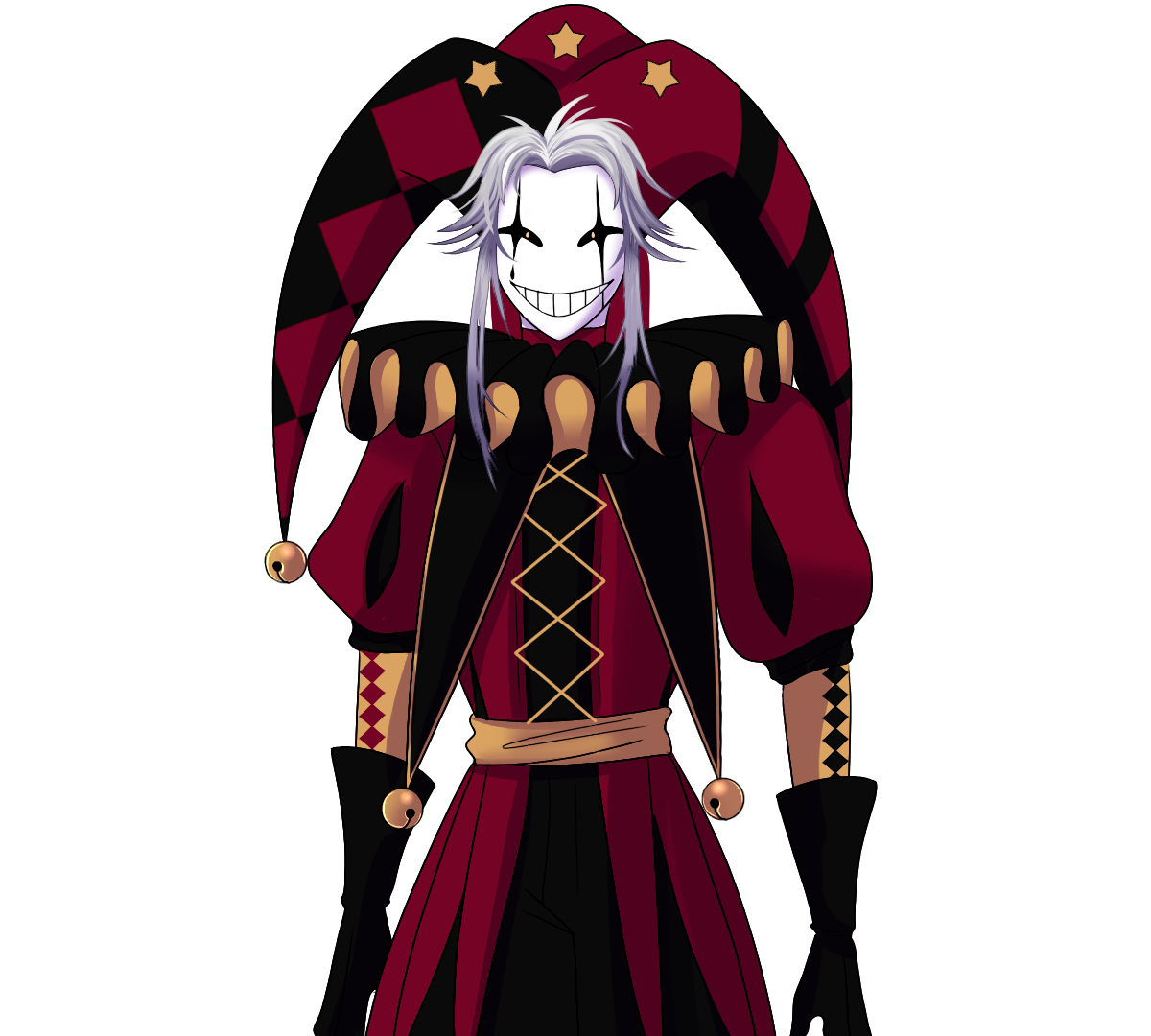
Players asking how tall is Pierrot from The Freak Circus often find the same figure repeated in character guides: 198 centimetres, or about 6 feet 6 inches. That would make Pierrot an imposing figure beside many of the other characters. The important question is how the number is sourced, so this guide explains the commonly listed height and the limits of publicly accessible references.
The commonly listed height: 198 cm
Several character-reference pages list Pierrot at 198 cm, which is approximately 6 feet 5.95 inches. A fan-maintained height guide presents this number as coming from a creator-published sprite comparison chart and places Pierrot below the Doctor, who is listed at 207 cm. The same chart lists Jester at 192 cm, Harlequin at 187 cm and Ticket Taker at 183 cm. On that reference, Pierrot is the second-tallest of the five named performers.
The distinction between a fan guide and the creator’s original post matters. A fan page can accurately transcribe a primary source, but readers should be able to follow the source link and inspect the original context. During this review, the 198 cm figure was found in more than one reference page that attributes it to a creator chart, but the original creator post was not independently opened. The careful wording is therefore that Pierrot is commonly listed at 198 cm in creator-attributed fan references, rather than claiming that the number appears in the game’s dialogue.
How tall is 198 cm in feet and inches?
198 centimetres is just under 1.98 metres. Converted to imperial units, it is approximately 6 feet 6 inches. That is tall enough to create a strong visual difference in character artwork, particularly when Pierrot is standing beside the protagonist or other circus performers. A character sprite can also look taller or shorter depending on posture, camera angle, footwear and how the scene is composed.
When comparing measurements, check whether a chart is using body height, full costume height or a visual estimate. A tall hat, raised shoes or a bent posture can change the apparent height in a scene. If a chart uses a creator’s sprite comparison, it may reflect the intended relative scale rather than a measurement that the story repeats. Fans should preserve that distinction when making infographics, cosplay guides or character comparison art.
Who is Pierrot in The Freak Circus?
Pierrot is one of the central characters in The Freak Circus, an indie horror-themed visual novel associated with a mysterious circus troupe. His silent presentation is part of the character’s identity. Rather than relying on ordinary spoken dialogue, his presence and the way he behaves around the protagonist help create the unsettling atmosphere. This contrast between a quiet exterior and intense attention is a major reason fans discuss him.
Character descriptions should be separated from fan interpretation. Terms such as protective, obsessive, gentle, threatening or mysterious may describe how readers interpret particular scenes, but they are not measurements or official biographical details by themselves. The most reliable way to understand Pierrot’s role is to play the current game build and consult the developer’s own updates for factual information about the project.
How does Pierrot compare with the other circus characters?
The commonly cited chart places the Doctor at 207 cm, Pierrot at 198 cm, Jester at 192 cm, Harlequin at 187 cm and Ticket Taker at 183 cm. These values make Pierrot second in the ranking. The difference between Pierrot and the Doctor is nine centimetres, while Pierrot is six centimetres taller than Jester in that chart. Such comparisons are useful for fan art and discussion as long as the chart’s source is credited and its status is made clear.
Character height is not necessarily an important game mechanic. A sprite may be scaled to fit a scene or convey a mood, and a character standing closer to the viewer may appear larger. If you are making a visual comparison, use a consistent baseline and do not mix screenshots taken at different camera angles. It is also worth checking the date of any guide because projects can change during development.
Where can players check the source?
Start with the developer’s official game page and linked development channels. The original game page is the right place to check the project description, version information and creator identity. A fan height reference can help find a reported measurement, but it should link to the original creator Q&A or sprite comparison if it claims creator confirmation. A repost without the original date or account is weaker evidence.
The official game listing is available from Garula’s The Freak Circus page on itch.io. This is a primary source for the game itself. It should not be taken as proof of a specific height unless the measurement is actually published there or in an official linked creator update. For the reported measurements, a fan-maintained character height guide provides the chart and describes its claimed source trail.
What the height means for fan art and cosplay
If you use 198 cm as a reference for fan art, label it as the commonly listed or creator-attributed figure. Relative scale is often more important than exact real-world height. Keep the proportions consistent between characters and decide whether shoes, costume elements or headpieces are included. For digital art, a shared baseline helps prevent accidental perspective distortions.
For cosplay, the measurement is not a requirement that a performer must match. Costumes, platform footwear and camera composition can suggest scale without forcing someone to use unsafe stilts or oversized props. Comfort and safe movement should take priority. A cosplay venue may have rules about headpieces, weapons, stilts and obstructed vision, so check them before attending an event.
Why exact character facts are sometimes disputed
Indie games often have a mixture of official updates, early development notes, fan wikis and community-created profiles. A number may be repeated by multiple sites even if they all copied the same original source. The fact that a search engine displays the same result several times does not automatically mean that independent sources confirmed it. Good reference writing links to the primary source, notes the publication date and explains when a detail remains uncertain.
Players should be equally careful with age, birthday, character relationships, route availability and story endings. A fan theory can be interesting and well supported, but it remains interpretation until the creator or released game establishes it. Use spoiler warnings when discussing later story content and make clear whether a detail belongs to the current release or a planned update.
How to read a character-height reference responsibly
A useful character guide should distinguish three things: details shown directly in the released game, information published by the creator outside the game, and estimates created by fans. These can all be interesting, but they are not the same kind of evidence. If a height chart says it is based on a creator’s comparison image, check whether the page links to the original account or post. A direct link, date and screenshot context make the claim easier to evaluate than a number copied into a profile with no explanation.
It is also worth checking whether the chart has been updated. Independent fan pages can be corrected when a creator releases a clarification, and older screenshots may reflect an early design. If the game changes a sprite or costume, a visual comparison may look different even if the character’s intended body height has not changed. When a guide cannot show its source, the most accurate approach is to say that the number is commonly reported and leave the uncertainty visible.
This matters for fan communities because precise measurements often get repeated as if they were part of the story. A fan can use the 198 cm figure for a drawing or cosplay reference without claiming that every scene confirms it. The same care should be used for character ages, birthdays, relationships and backstory. Separate canon from headcanon, mark spoilers and avoid presenting a theory as an official update.
Using Pierrot’s height in comparisons and artwork
For a character comparison, use the same baseline and scale for every figure. Decide whether footwear, headwear and costume pieces are included, and avoid mixing images taken from different camera angles. A side-by-side silhouette can communicate relative height more clearly than measuring pixels from unrelated screenshots. If you are making a fan infographic, include the name of the reference page and a note that the value is creator-attributed by that source, rather than implying that you measured the sprite yourself.
For cosplay, focus on the recognisable silhouette, costume details and safe movement. A performer does not need to be close to 198 cm tall to portray Pierrot convincingly. Camera positioning, costume proportions and footwear can create the impression of scale without unsafe platforms or stilts. Always check venue rules and make sure any headpiece or costume component does not restrict vision, balance or access to stairs.
Frequently asked questions
How tall is Pierrot from The Freak Circus?
The commonly listed figure is 198 cm, approximately 6 feet 6 inches. Fan references attribute this to a creator-published comparison chart, although the original post was not independently opened for this article.
Is Pierrot the tallest character?
The commonly circulated height chart places the Doctor at 207 cm and Pierrot at 198 cm, making Pierrot second-tallest among the five characters listed there.
Does height affect The Freak Circus gameplay?
The height references are character-profile information, not a game mechanic that changes routes or outcomes.
Where should I verify information about Pierrot?
Start with Garula’s official game page and any creator-linked updates. Use fan references for navigation, but check whether they point to the original source for exact measurements.
Final thoughts
The answer to how tall is Pierrot from The Freak Circus is usually given as 198 cm, or about 6 feet 6 inches. That is the commonly listed figure in character-height references, which attribute the data to a creator comparison chart. Because the original creator post could not be independently inspected here, the responsible approach is to identify the sourcing clearly rather than present the number as dialogue from the game. Fans can still use it as a practical reference for art and discussion while keeping fact and interpretation separate.
For more entertainment and gaming coverage, browse Heritage on the Hill’s Games section and its wider Entertainment archive.

Karen Altizer is a seasoned professional with a wealth of experience, skilled at crafting compelling narratives and strategic messages for diverse audiences.