
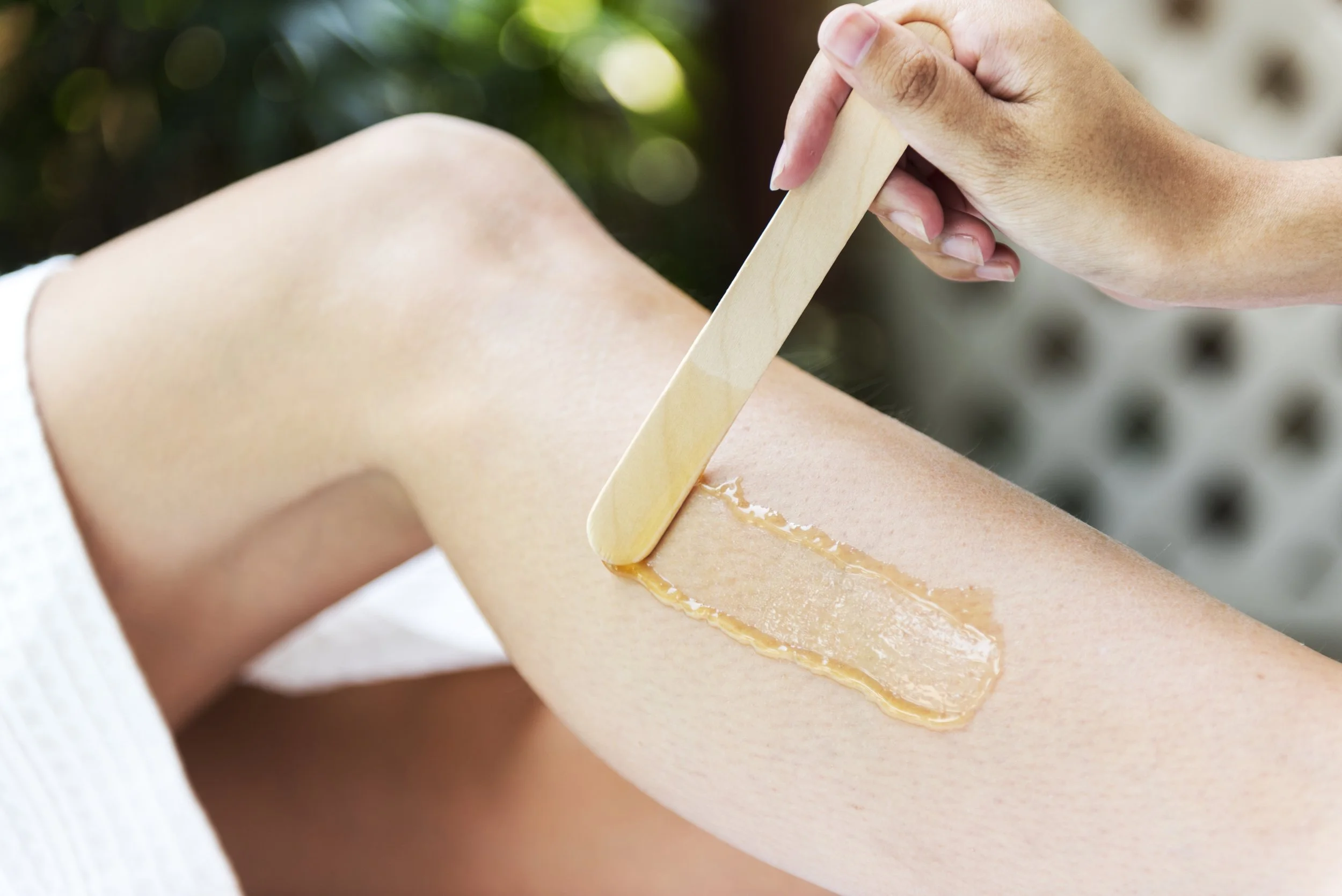
Knowing how long hair should be to wax makes a real difference to comfort and results. If hair is too short, wax may not grip it properly; if it is very long, the appointment can feel more uncomfortable and the wax can become messier. For most areas, dermatologists recommend letting hair reach around one-quarter to three-quarters of an inch before waxing, then preparing the skin gently.
The ideal hair length before waxing
The American Academy of Dermatology (AAD) recommends hair of about ¼ to ¾ inch (roughly 6 to 19 millimetres) for waxing. This range gives the wax enough length to grip the hair close to the root without having to work through an unnecessarily long growth. It is a useful general guide for legs, arms, underarms and other areas, although individual hair texture, the wax formula and the technique used by a professional can affect what works best.
Hair does not have to look long or thick to be ready. The aim is not to wait until it is obvious from across the room. Instead, check that there is enough length for the wax to catch the strands. If you recently shaved, it may take a few weeks for growth to reach the recommended range, depending on your personal hair growth cycle. Avoid repeatedly testing the same area with wax while it is still too short, because unnecessary passes can irritate the skin.
The American Academy of Dermatology’s waxing advice gives the same ¼ to ¾ inch range and also explains precautions for sensitive skin, facial retinoids and at-home technique. Use the published guidance as a starting point, then follow a qualified professional’s assessment of your individual skin and hair.
Why hair that is too short can be difficult to wax
Wax removes hair by adhering to the strand and pulling it out from the root. Very short hairs may sit too close to the skin for the wax to grip consistently. This can leave scattered hairs behind and tempt the person applying the wax to repeat the treatment on the same patch. Repeated waxing over already sensitive skin can increase redness, tenderness and the risk of surface irritation.
If you shaved only a few days ago, waiting is usually more useful than trying a stronger wax or applying it repeatedly. Hair growth varies between people and across body areas. Some individuals notice enough regrowth in a couple of weeks, while others need longer. A professional waxing specialist can tell you whether the hair is long enough when you arrive, but you should not feel pressured to proceed if the skin is irritated or the growth is clearly too short.
What if hair is longer than three-quarters of an inch?
Longer hair can still be waxed, but it may pull more during removal and can make the application harder to control. The AAD recommends trimming longer hair to a shorter length with safety scissors so that waxing is less messy and painful. Do not try to cut hair extremely close to the skin immediately before an appointment. Trim cautiously, keep the scissors away from skin folds and avoid using a razor if the goal is to preserve enough length for waxing.
A salon professional may trim the area before applying wax. Ask about this when booking, particularly if the hair has been growing for several months. If you are trimming at home, work in good light and do not rush. The target is a manageable length, not a perfectly uniform haircut. A little variation is normal, and a qualified practitioner can assess whether the hair is ready.
How long does hair take to grow back after shaving?
There is no universal timetable because hair growth is influenced by genetics, hormones, age, body area and individual growth cycles. Leg hair can appear at a different speed from underarm or facial hair. People who shave frequently may also be less familiar with their natural regrowth pattern. Instead of relying only on the calendar, look at the actual length and follow the ¼ to ¾ inch guideline as a starting point.
Do not confuse visible stubble with the exact length needed for waxing. Hair can feel rough before it is long enough for consistent removal. If you are planning a holiday, wedding or special event, schedule the wax early enough to manage possible redness and allow the skin to settle. Avoid arranging your first-ever waxing session immediately before an important event because you will not know how your skin responds.
Does the ideal length change by body area?
Legs and arms
Leg and arm hair is often relatively easy to assess because the skin surface is broad and accessible. The usual length range is a good starting point. If hair is longer, a professional can trim it evenly before treatment. Exfoliating gently on a different day may help reduce the build-up of dead skin, but aggressive scrubbing immediately before waxing can make the area more sensitive.
Underarms
Underarm hair grows in different directions and the area has folds that can make application more technical. A trained practitioner may work in smaller sections and apply wax according to the direction of growth. Avoid deodorant residue if the salon advises arriving with clean skin, and do not wax over a rash, broken skin or active irritation. Because the skin is delicate, careful technique matters as much as length.
Face and upper lip
Facial skin can be more reactive, and the correct approach depends on the area and the products used on the skin. The AAD advises avoiding retinoid creams before waxing the face: over-the-counter retinol and prescription retinoids should generally be avoided for two to five days beforehand, and people who have taken isotretinoin within the previous six months should not wax. Facial waxing should be approached cautiously, especially if you use acne treatments, exfoliating acids or prescription skin medication. Tell the practitioner about these products before treatment.
Bikini and Brazilian areas
Hair length is only one consideration for intimate waxing. The skin is more delicate, and home waxing can be difficult because of limited visibility and sensitive folds. The AAD notes that it may be better to leave Brazilian waxing to professionals. Choose a hygienic salon, ask about the wax type and aftercare, and do not proceed if there are cuts, sores, irritation or an active skin infection.
How to prepare your skin before a waxing appointment
Begin with clean skin. Follow the salon’s instructions about showering and avoid applying heavy oils, body butter or thick creams immediately before the appointment, because residue may interfere with adhesion. Do not scrub hard or use a harsh exfoliating product on the day of waxing. Gentle exfoliation earlier in the week may be suitable for some people, but it is not essential and should be avoided if it causes redness or sensitivity.
Protect the skin from sunburn. The AAD advises never waxing sunburned or very sensitive skin. If you have recently used a tanning bed, spent a long time in direct sunlight or had a peel, laser treatment or other procedure, tell the practitioner and ask whether you should reschedule. Do not wax over cuts, open wounds, active cold sores, inflamed acne or a rash. A professional should be able to explain when treatment is safe to postpone.
Tell the salon about medicines and skincare products. Retinoids, certain acne treatments and medicines that make the skin fragile can increase the risk of skin lifting or injury. The practitioner should not guess. If you are uncertain whether a medicine affects waxing safety, ask the prescribing clinician or pharmacist before booking. Your health takes priority over keeping an appointment.
What to expect during waxing
The practitioner should inspect the skin and hair before applying wax. They may clean the area, use a suitable preparation product and test wax temperature. Wax should never be so hot that it burns. It is usually applied in small sections and removed with a controlled movement. If the pain feels unusually sharp or the skin seems to be lifting, tell the practitioner immediately rather than trying to tolerate it silently.
Different products and techniques are used, including soft wax removed with strips and hard wax that sets before removal. Neither is automatically right for every person or every body area. A professional should select a method based on hair type, area, skin condition and experience. Avoid sharing home waxing equipment in ways that could transfer bacteria, and follow product directions closely if you wax yourself.
Aftercare: help the skin settle
Temporary redness and small bumps can occur after waxing. Follow the salon’s aftercare advice, keep the area clean and avoid rubbing or scratching. For the first day, many people find it helpful to avoid very hot baths, saunas, intense exercise or tight clothing that causes friction on freshly waxed skin. If the area becomes increasingly painful, swollen, hot, blistered or develops pus, seek medical advice rather than assuming it is ordinary irritation.
Use gentle products and avoid applying strong exfoliating acids or retinoids to freshly waxed skin until it has recovered. If you are prone to ingrown hairs, ask a dermatologist or qualified practitioner about a suitable routine. Do not dig at trapped hairs with needles or tweezers because this can cause infection and scarring. A professional can advise whether a different hair-removal method would be safer for your skin.
Common waxing mistakes to avoid
- Waxing immediately after shaving, before enough length has returned.
- Leaving hair extremely long instead of trimming it carefully.
- Waxing sunburned, broken or very sensitive skin.
- Ignoring retinoids, isotretinoin or other medicines that affect skin sensitivity.
- Repeating multiple passes over one patch to remove every short hair.
- Booking a first treatment immediately before an important event.
Frequently asked questions
Can hair be too short to wax?
Yes. Very short hair may not be gripped reliably. Wait until it is around ¼ inch long or follow the advice of an experienced professional who can inspect the area.
Should I trim before waxing?
If hair is longer than about ¾ inch, careful trimming can make waxing less messy and more comfortable. Use safety scissors and avoid cutting too close to the skin.
Can I wax if I use retinol?
Facial waxing can remove skin along with hair when retinoids make the skin more fragile. The AAD advises avoiding over-the-counter retinol and prescription retinoids for two to five days before waxing the face. Ask your clinician about your specific product.
How soon after shaving can I wax?
There is no exact number of days for everyone. Wait until the hair has grown to roughly ¼ to ¾ inch, which may take several weeks depending on the person and body area.
Final thoughts
For most waxing, the practical target is about ¼ to ¾ inch of hair. That is long enough for wax to grip effectively while remaining manageable. Trim carefully if growth is longer, wait if it is too short, and never wax over sunburned or irritated skin. Tell the practitioner about medicines and skincare products, especially retinoids, and use a professional for delicate areas when appropriate. Good preparation makes waxing more predictable, but safe skin care should always come before a perfectly timed appointment.
For more style and personal-care reading, explore Heritage on the Hill’s Fashion section and its guide to choosing accessories for a festival-ready look.

Karen Altizer is a seasoned professional with a wealth of experience, skilled at crafting compelling narratives and strategic messages for diverse audiences.