
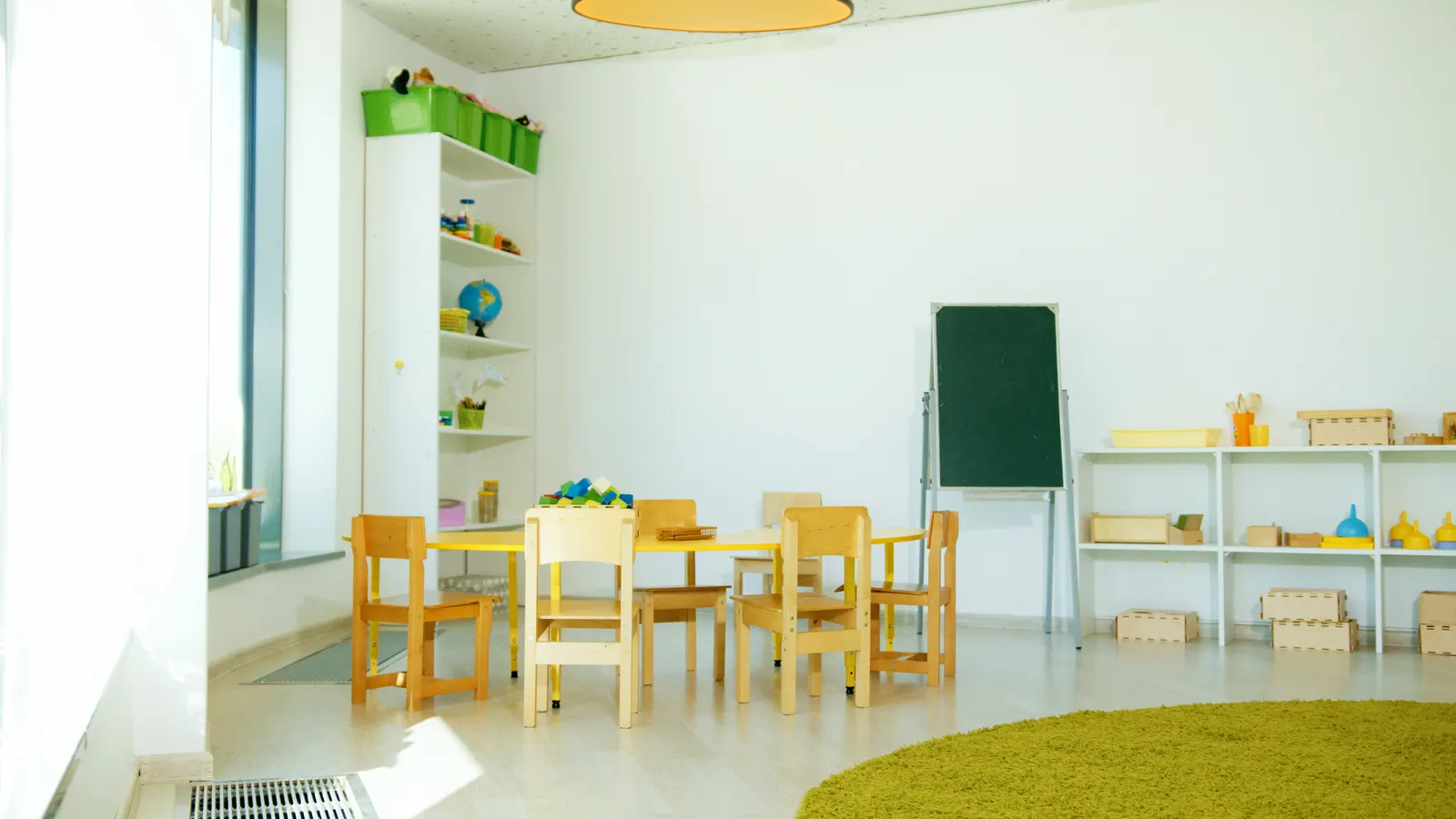
The Correll blow-molded plastic activity table is one of the most familiar tables in classrooms, nurseries, church halls and craft rooms, and it is easy to see why. It has a light plastic top, a steel frame and legs that adjust in small steps, so a single table can suit small children and adults.
This guide explains what the table is, how the sizes and heights work, what to check before you buy and how to look after it. Details differ between models, so always confirm the specifications on the exact product page before ordering.
What is a Correll blow-molded plastic activity table?
A blow-molded plastic top is made by shaping heated plastic with air inside a mould, which produces a hollow, one-piece panel. The result is a top that is much lighter than solid wood or laminate but still stiff enough for daily use. Correll builds its activity tables around this kind of top and pairs it with a steel frame and adjustable legs.
The colour runs all the way through the plastic, so scuffs do not reveal a different layer underneath. One gray granite model also has a backer sheet that helps the top resist warping over time. Rounded corners mean there are no sharp points for children or staff to bump into, which matters in busy rooms.
Key features at a glance
- Lightweight blow-molded plastic top that resists scratches and impacts
- Steel frame with tube legs and non-marring feet to protect floors
- Legs adjustable in 1 inch steps, so the table works as a child or adult workspace
- Rounded corners and a one-piece top with no seams to trap crumbs
- Top surface that resists stains from juice, crayons, paint and permanent markers
- Commercial-duty construction aimed at schools, offices and community spaces
One gray granite rectangular model lists a weight capacity of 250 lb of evenly distributed weight, and each leg attaches to the top with three heavy-duty bolts. That detail is useful, because the leg connection is where many cheaper folding or plastic tables fail first.
Sizes, shapes and colours
Correll sells these tables in several shapes. Rectangles are the most common, but round and kidney shapes suit small-group teaching and reading corners. The commercial rectangle version is listed in several sizes with blue, gray granite, green, red and yellow tops, all on a black steel frame.
| Size | Typical weight | Best for |
|---|---|---|
| 48 x 24 inches | About 36 lb | Two small children, a reading nook or a craft station |
| 60 x 30 inches | About 46 lb | Three or four children, or a small meeting table |
| 72 x 30 inches | About 52 lb | Group projects, art classes and shared workspaces |
| 96 x 30 inches | Heavier, check the listing | Large classrooms, church halls and event rooms |
Round tables, such as a 60 inch round, give everyone equal access to the middle of the table. Kidney-shaped tables, such as a 72 x 48 inch version, let a teacher sit in the curve and work with a small group. The weights above are typical figures from retail listings, so treat them as a guide rather than a promise.
Adjustable height explained
Height adjustment is the feature that sets an activity table apart from a standard folding table. The legs lock in at set positions, and you change them with a wrench, which is usually supplied.
How much can the height change?
The range depends on the model. One gray granite rectangular table is adjustable from 19 to 29 inches in 1 inch steps, which gives ten settings. Other listings for the commercial range quote a wider span of roughly 16 to 30 inches. Check the exact range for the model you are buying, because it decides who can sit comfortably.
Choosing a height for different users
Younger children need a lower setting so their feet reach the floor and their elbows rest near the tabletop. Older children and adults need the upper settings. A simple method is to seat the smallest user, then adjust the table until their forearms rest on the surface without lifting their shoulders. If one table has to serve mixed ages, set it for the youngest group and raise it when the older group arrives.
Where these tables work best
The Correll blow-molded plastic activity table is built for rooms where tables take a beating and get moved often. Common uses include:
- Primary classrooms and nurseries, where messy art and sensory play are routine
- After-school clubs and community centres that reset the room several times a week
- Church halls and event spaces that need tables for crafts, food and registration desks
- Home playrooms and home-school areas, where a wipe-clean surface helps
- Offices and training rooms that need a light, flexible meeting table
If you are planning a family space, the same principles apply as in a calm and minimalist nursery space: keep surfaces easy to clean, keep furniture light enough to move and avoid clutter. A plastic activity table fits that approach well, although it will not suit every style of room.
What to check before you buy
Weight capacity and load
A listed capacity of 250 lb refers to evenly distributed weight. A heavy point load, such as a child standing on one corner, is a different matter. Remind users that the table is a work surface, not a step or a bench.
Assembly and tools
These tables usually arrive in parts. The legs attach to the top with bolts and a socket wrench is typically needed. Plan about half an hour for the first table and less for each one after that. Tighten the bolts again after the first few weeks of use, because new plastic can settle slightly.
Safety and compliance labels
Many listings state ANSI compliance and refer to formaldehyde and lead standards. If you are buying for a school, nursery or other public setting, confirm that the paperwork matches your local rules and ask the supplier for documentation if you need it for an audit.
Price and delivery
Retail listings I checked showed common rectangular sizes costing from a little over two hundred dollars up to a little over five hundred, and the price moves with size, colour and supplier. Some models ship directly from the manufacturer, with delivery estimates that can run to several weeks, so order well before the start of term. Compare the total cost, including delivery and any handling fee.
Care and cleaning
The plastic top is one of the easiest surfaces to maintain. Wipe it with warm water and a mild detergent after each session. For dried paint, glue or marker, soak a cloth in soapy water and leave it on the mark for a minute before wiping. Avoid abrasive pads and harsh solvents, which can dull the finish.
Check the frame feet and the leg bolts every term. Replace worn feet so they do not scratch floors, and keep the adjustment wrench in a labelled drawer so the table is never forced when you change height. Do not leave the table in strong, direct sunlight for months, because heat and UV exposure are hard on any plastic.
How it compares with other classroom tables
Laminate and wooden tables look warmer and often feel more solid, but they weigh more, can chip at the edges and may swell if they get wet. A blow-molded top gives up a little of the premium look in exchange for lower weight, easier cleaning and better resistance to knocks. For rooms where function matters more than style, that trade usually favours plastic. Thinking about how a room should work before choosing furniture is a theme in creating functional spaces without losing character, and it applies just as well to a classroom or club room.
Frequently asked questions
Is the Correll blow-molded plastic activity table adjustable?
Yes. The legs adjust in 1 inch steps, and one popular model spans 19 to 29 inches. Other listings in the commercial range quote about 16 to 30 inches. Always confirm the exact range for the model you want, because it varies.
How much weight can the table hold?
One gray granite rectangular model lists a capacity of 250 lb of evenly distributed weight. Capacity can differ between sizes and shapes, so check the specification for your chosen table and avoid using it as a step or a seat.
Is the plastic top easy to clean?
Yes. The surface resists stains from juice, crayons, paint and permanent markers, and the colour runs through the plastic. Warm water and mild detergent handle most messes. Avoid abrasive pads, which can leave marks on the surface over time.
What sizes does it come in?
Common rectangles include 48 x 24, 60 x 30, 72 x 30 and 96 x 30 inches. There are also round tables, such as a 60 inch round, and kidney shapes such as 72 x 48 inches. Availability depends on the supplier.
Does the table need assembly?
Yes. Most arrive with the legs unattached. Each leg bolts to the top, and a socket wrench is usually needed, while a wrench for height changes is often included. Allow time for the first table, and tighten the bolts again after a few weeks.
Who should buy a blow-molded plastic activity table?
It suits schools, nurseries, clubs, church halls and homes that need a tough, light, wipe-clean table at adjustable heights. It is less suitable if you want a traditional wood look or need a table for heavy equipment.
Conclusion
The Correll blow-molded plastic activity table earns its place in busy rooms because it is light, tough, easy to clean and adjustable for different ages. Choose the size and shape for your group, confirm the height range and weight capacity, allow time for delivery and assembly, and wipe it down regularly so it keeps working for years.

Karen Altizer is a seasoned professional with a wealth of experience, skilled at crafting compelling narratives and strategic messages for diverse audiences.
https://www.findreal.me : Free science‑backed assessments for personality, career, IQ & EQ. Private instant results. Uncover your true self right now.